

Table of Contents
ToggleHow Digital Marketing Actually Grows a Business (What Most Articles Don’t Tell You)
In my experience working with local and service-based businesses, the biggest misconception about digital marketing is this:
“If we just do SEO or run ads, sales will come automatically.”
That belief costs businesses time, money, and patience.
Digital marketing works—but only when it’s built around real buyer behavior, not vanity metrics or random tactics. In this guide, I’ll explain how digital marketing truly helps a business grow, what problems it solves, and how to apply it step by step without wasting budget.
The Real Problem Businesses Face Online
Before the benefits, let’s address reality.
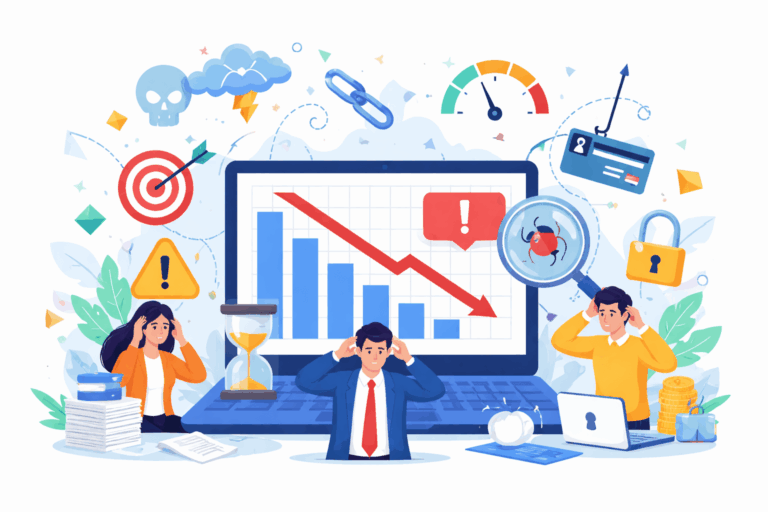
Most businesses come to me after experiencing one or more of these issues:
- Their website gets traffic but no leads
- Ads are running but costs keep increasing
- Social media looks active but doesn’t generate inquiries
- Competitors appear everywhere online while they feel invisible
Digital marketing isn’t about “being everywhere.”
It’s about being visible at the right moment with the right message.
1. Turning Online Visibility Into Buyer Visibility
What actually works:
- Ranking for buyer-intent searches, not generic traffic
- Showing up when users are ready to compare or decide
- Matching search intent with landing pages that answer objections
Example from real work:
A local service business ranked for broad keywords but wasn’t converting. We shifted focus to:
- “Service + location + cost”
- “Service + problem + solution”
Result: Lower traffic, 3× more qualified leads.
Visibility must align with purchase intent, not popularity.
2. Targeting Buyers Instead of “Audiences”
Traditional marketing pushes messages to everyone.
Digital marketing allows you to pull buyers who already have intent.
Practical targeting approach:
- Search ads for high-intent keywords
- Remarketing for users who visited but didn’t convert
- Content tailored to different decision stages:
Awareness
The buyer realizes they have a problem or need and starts seeking basic understanding. Content should educate and frame the problem clearly.
Comparison
They evaluate options, trade-offs, and alternatives. Honest comparisons and proof help narrow choices.
Decision
The buyer is ready to act and needs reassurance and next steps. Clear value, trust signals, and guidance drive action.
DecisionBuyer problem:
“I don’t want to waste money advertising to people who will never buy.”
Solution:
Use intent-based targeting, not interest-based guesswork.

Why Digital Marketing Is Cost-Effective (When Done Correctly)
What lowers cost per lead:
- SEO pages built around one clear conversion goal
- Ads sending traffic to dedicated landing pages, not homepages
- Email follow-ups instead of relying on one-time visits
Real insight
Most businesses overspend because they skip optimization, not because digital marketing is expensive.
4. Engagement That Builds Trust Before the First Call
Answer questions before they ask
Anticipate doubts and explain them clearly within the content. This removes friction and builds confidence early.
Address pricing fears upfront
Be transparent about costs, ranges, and value. Price clarity reduces hesitation and qualifies serious buyers.
Show proof instead of promises
Use real results, examples, and data to support claims. Proof builds trust faster than marketing language.
High-trust assets that work:
- FAQ pages based on real client objections
- Case studies with numbers, not hype
- Educational blogs written from experience
When buyers feel informed, sales conversations become shorter and easier.
5. Data That Guides Better Decisions
Metrics that actually matter:
Shows how efficiently marketing spend attracts buyers who are likely to convert. Lower costs indicate better targeting and trust.
Conversion rate per page
Measures how well each page turns visitors into actions. High rates signal strong intent match and clarity.
Time to decision
Tracks how quickly users move from first visit to action. Shorter timelines reflect reduced confusion and higher confidence.
Drop-off points in funnels
Identifies where users disengage or hesitate. These points reveal gaps in messaging, trust, or experience.
Mistake I see often:
Businesses track traffic and likes—but not lead quality.
Digital marketing should tell you what to stop doing, not just what to repeat.
6. Building Brand Trust in Competitive Markets
Consistent messaging across platforms
The same clear value and positioning appear everywhere users encounter the brand. Consistency builds recognition and trust.
Information is provided to guide and educate, not push. Buyers feel supported, not persuaded.
Transparent reviews and testimonials
Real, specific feedback from actual customers builds credibility. Transparency reduces doubt and increases confidence.
Competitive advantage:
Two businesses may offer the same service—but the one that educates better usually wins.
7. How Digital Marketing Directly Impacts Sales
Brings warmer leads
Prospects reach out already informed and confident. Sales conversations start at a higher level.
Shortens decision cycles
Clear answers and proof remove hesitation early. Buyers decide faster with less back-and-forth.
Content does the nurturing automatically. Fewer reminders are needed because trust is already built.
Sales-driven digital strategy:
SEO for long-term demand
SEO builds consistent visibility and trust over time. It compounds and lowers acquisition costs month after month.
Ads for immediate demand
Paid ads capture buyers who are ready to act now. They deliver quick traffic and fast feedback.
Email & remarketing to recover lost opportunities
These channels re-engage interested users who didn’t convert initially. They maximize value from existing traffic and intent.
Want to keep using GPT-5? Try Plus for free. Upgrade your plan to keep getting better, faster answers.
Try Plus free
When aligned properly, marketing and sales stop working separately.
Read More: 11 Best Cost-Effective Digital Marketing Strategies 2026
Step-by-Step: How to Use Digital Marketing the Right Way
Step 1: Define the Buyer, Not the Audience
Focus on:
Problems
Identify the real challenges or pain points the buyer faces. Understanding problems ensures content is relevant and valuable.
Objections
Address doubts, fears, and hesitations upfront. This reduces friction and builds confidence in your solution.
Decision triggers
Highlight factors that motivate action—proof, comparisons, urgency, or trust signals. These help buyers move from consideration to commitment.
Step 2: Fix the Website Before Promotion
Clear value proposition
Explain exactly what the user gains and why it matters. Clarity helps them quickly understand relevance and benefit.
One primary CTA per page
Focus attention on a single, clear action. This reduces confusion and increases conversion likelihood.
Trust elements above the fold
Show credibility (testimonials, certifications, data) immediately. Early trust encourages users to stay and engage.
Step 3: Choose Channels Based on Intent
- SEO → long-term buyers
- Paid ads → ready-to-act buyers
- Content → comparison-stage buyers
Step 4: Track What Impacts Revenue
Ignore vanity metrics. Optimize what converts.
Case Study Snapshot
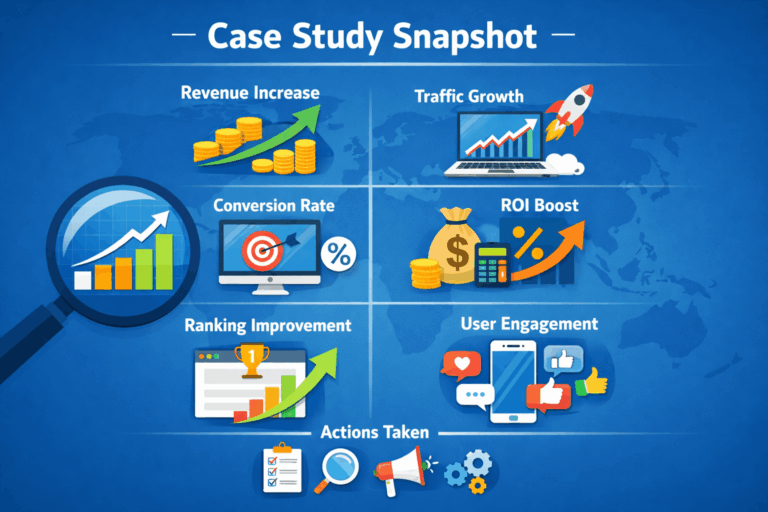
Business Type: Local service provider
Problem: Traffic but no inquiries
Action Taken:
Rebuilt service pages for intent
Pages now directly match what users are searching for, increasing relevance and engagement. Clear structure guides them toward action.
Added pricing context & FAQs
Transparent pricing and answers to common questions reduce hesitation and objections. Users feel informed and confident.
Ran remarketing ads only
Focused campaigns re-engage visitors who showed interest but didn’t convert initially. This maximizes ROI from warm leads.
Result:
✔ 42% increase in leads
✔ Lower ad spend
✔ Higher closing rate
Why Digital Marketing Fails for Some Businesses
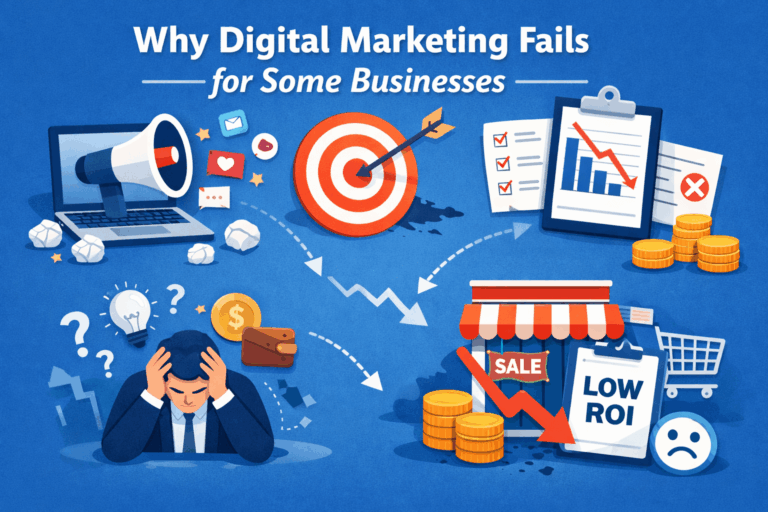
From experience, it usually fails because:
Strategy is copied from competitors
Mimicking others without understanding your audience rarely works. Unique insights and real experience outperform imitation.
No understanding of buyer psychology
Ignoring how buyers think, decide, and feel leads to content that confuses or disengages them. Strategy must align with intent and behavior.
No patience for optimization
SEO and content growth take time and iteration. Expecting instant results prevents learning, improvement, and long-term success.
conclusion
Digital marketing isn’t about chasing algorithms or trends. It’s about earning attention, building trust, and guiding decisions.
When done strategically, it becomes one of the most predictable growth channels a business can have.


