

Table of Contents
ToggleBest AI Tools For Digital Marketing 2026
By 2026, artificial intelligence is no longer be a “growth hack” in digital marketing. It’s infrastructure. If you’re still treating AI as a content generator or automation shortcut, you’re already behind.
I’ve worked with business owners, service brands, and local-first companies who thought they needed AI—until they implemented the wrong tools, over-automated, and lost trust, leads, or margins.
This guide is not a hype-driven tools roundup. It’s a practical, experience-backed breakdown of the AI tools that genuinely move revenue, where they fail, and how to use them correctly in 2026.
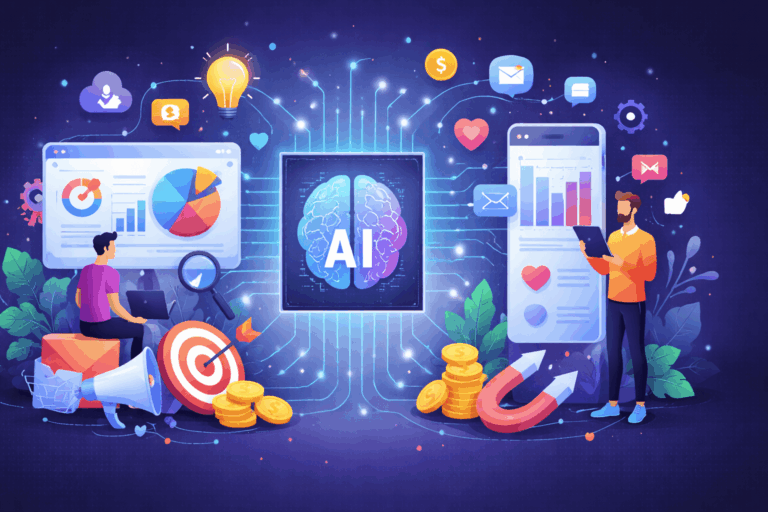
Why AI Truly Matters in Digital Marketing Now (Not for the Reasons You Think)
Most marketers say AI helps them “save time.” That’s surface-level thinking.In real campaigns, AI’s biggest advantage is decision accuracy.
Knowing Which Audience Will Convert Before Spending Ad Money
AI evaluates historical conversion data, on-site behavior, search intent, and audience signals to identify users most likely to take action. Instead of targeting broad demographics, marketers can focus on high-intent segments before launching campaigns. This reduces wasted ad spend and improves lead quality from day one. It also helps businesses avoid testing irrelevant audiences that drain budgets.
Predicting Which Content Angle Will Underperform
By analyzing engagement patterns, competitor performance, and SERP response, AI can flag content ideas that are unlikely to gain traction. This allows teams to drop weak angles early and double down on topics that match real user intent. It prevents publishing content just for volume and protects brand authority. The result is fewer posts with stronger impact.
Personalizing at Scale Without Sounding Robotic
AI enables personalized messaging based on behavior, location, and buyer stage without relying on rigid templates. When guided correctly, it adjusts tone and context while keeping communication natural and human. This helps brands stay relevant across thousands of interactions without losing authenticity. Customers feel understood, not automated.
Eliminating Guesswork From SEO and Paid Media
AI replaces assumptions with data-backed insights by showing what keywords, creatives, and placements actually drive results. It identifies ranking risks, ad fatigue, and conversion drop-offs before performance declines. This allows faster, smarter decisions instead of reactive changes. Marketing becomes predictable, measurable, and scalable.
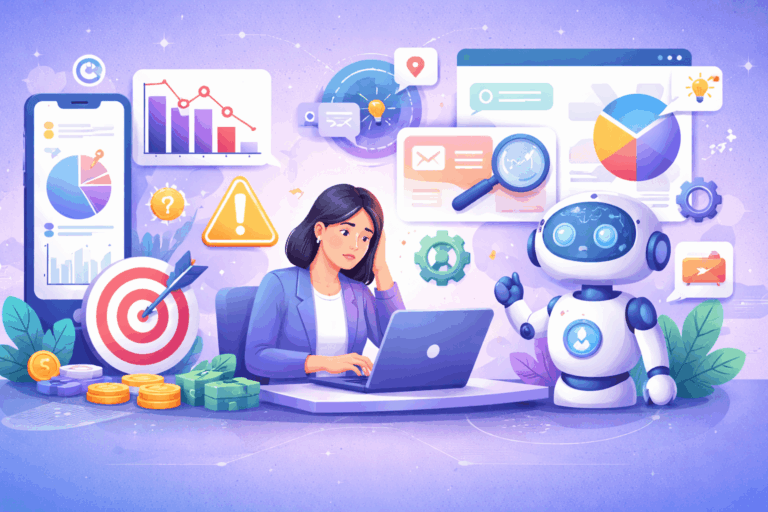
Real Problems Marketers Face in 2026 (That AI Can Actually Solve)
- “We have traffic, but leads aren’t serious”
- “Our ads spend is rising, ROI is shrinking”
- “Content is published, but nothing ranks or converts”
- “Social media is active, but engagement is fake”
- “Too many tools, no clarity”
Good AI tools solve one of these problems clearly. Bad tools promise everything and deliver confusion.
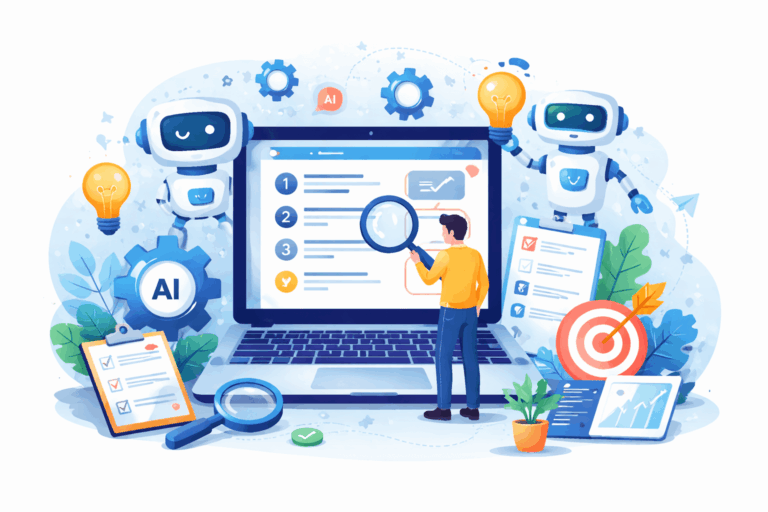
How to Choose AI Tools the Right Way (Step-by-Step)
Before talking tools, let’s be honest about buyer pain points:
Step 1: Identify the Revenue Bottleneck
Is your issue:
- Lead quality?
- Conversion rate?
- Content velocity?
- Ad efficiency?
- Retention?
Never choose AI first. Choose the problem first.
Step 2: Decide Where Humans Must Stay in Control
AI should not:
- Define brand voice
- Make ethical decisions
- Handle sensitive customer conversations alone
- Set pricing or positioning
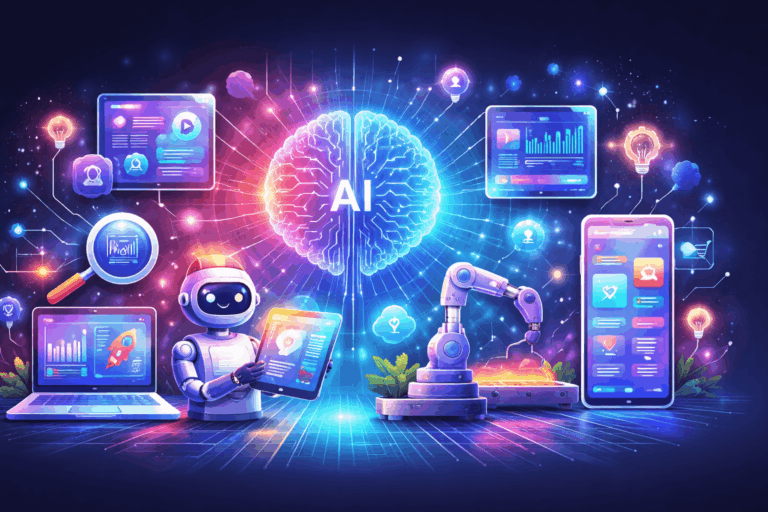
AI Tools That Actually Deliver Results in 2026 (By Use Case)
1. AI for Social Media (Consistency Without Burnout)
What works in practice:
Sentiment-Based Scheduling
AI analyzes audience mood and engagement patterns to publish content when users are most receptive, improving reach and interaction without increasing posting frequency.
Comment Prioritization
AI identifies high-intent, negative, or conversion-critical comments first, allowing teams to respond faster where it matters most.
Performance-Based Content Recycling
High-performing posts are automatically reshared or repurposed based on engagement data, extending content lifespan without repeating low-impact material.
Tools I’ve seen work well:
- Platforms that analyze when your specific audience reacts (not generic timing)
- Tools that flag negative sentiment early (critical for local brands)
2. AI for Content & Copywriting (Authority Over Volume)
AI-written content ranks only when guided by expertise.
What works:
- AI-assisted outlining
- Competitor gap identification
- Tone calibration per buyer stage
What fails:
- Publishing AI drafts without edits
- Generic “SEO blogs”
- Over-optimized language
3. AI for SEO & Search Visibility (Beyond Keywords)
In 2026, SEO is not about ranking—it’s about being cited, referenced, and trusted by AI search systems.
AI tools are powerful for:
- Identifying intent mismatches
- Finding content gaps competitors ignore
- Understanding why pages rank (not just where)
What I personally look for in SEO AI tools:
- SERP volatility tracking
- Topic authority modeling
- Predictive ranking decline alerts
4. AI for Visuals & Video (Speed Without Cheapness)
AI has democratized design—but bad visuals are everywhere.
What works:
- Rapid prototyping
- Short-form video creation
- Multi-platform resizing
What still needs humans:
- Brand consistency
- Emotional storytelling
- Context awareness
5. AI for Paid Ads & Performance Marketing (Control > Automation)
AI bidding and creative testing can save money—but only with guardrails.
What works:
- Multi-variant testing
- Creative fatigue detection
- Audience overlap reduction
What destroys budgets:
- Fully automated scaling
- No human review cycles
- Chasing low-cost clicks instead of conversions
6. AI for Customer Support & Lead Qualification
Chatbots now handle real conversations—but trust is fragile.
Best practices:
- AI handles FAQs and routing
- Humans handle emotional or high-ticket conversations
- AI insights guide sales scripts
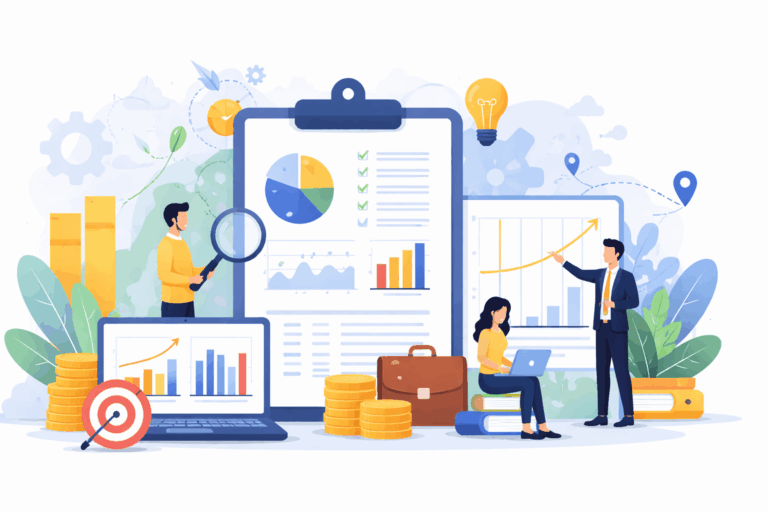
A Practical Mini Case Study (From the Field)
Problem:
A mid-sized service business had traffic, ads, and content—but poor lead quality.
AI Strategy Used:
- AI-powered intent analysis on landing pages
- Behavioral email segmentation
- Ad creative testing with human approval
Result in 90 days:
- 28% drop in ad spend
- 41% increase in qualified leads
- Shorter sales cycle
Key lesson:
AI didn’t “grow” the business. It removed waste.
Read More:- How is AI Changing Digital Marketing Strategies?
What Most Competitors Don’t Talk About (But Should)
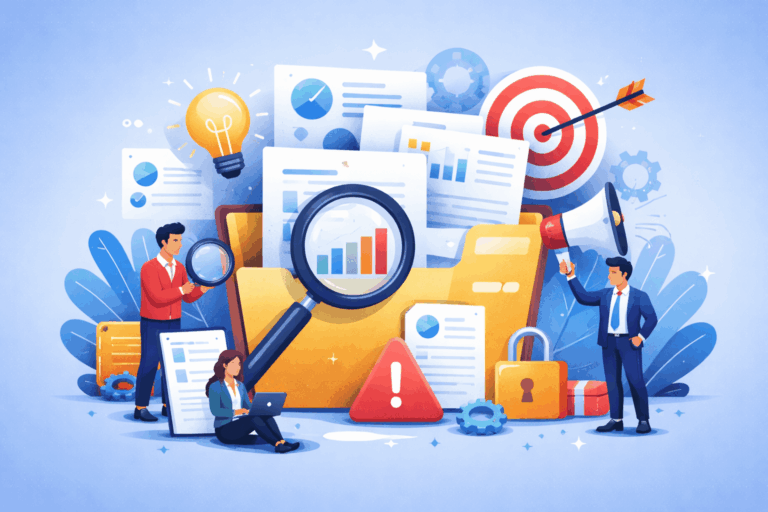
AI Risks in 2026
Over-Automation Kills Brand Trust
When brands rely too heavily on automation, communication starts to feel generic and impersonal. Customers quickly recognize scripted replies and AI-generated messaging that lacks context. This erodes credibility, especially in high-consideration purchases. Trust is built through judgment and empathy—areas where unchecked automation fails.
Homogenized Content Reduces Differentiation
AI-trained content often mirrors what already exists, leading to sameness across websites and platforms. When every brand uses similar tools without strategic direction, messaging loses uniqueness. This makes it harder for businesses to stand out or be remembered. Differentiation now depends on human insight layered over AI efficiency.
Regulatory Scrutiny Is Rising
Governments and platforms are increasing oversight on AI usage, especially around data collection and transparency. Businesses are now expected to disclose AI involvement and justify how user data is processed. Non-compliance risks reputational damage alongside legal consequences. Ethical AI use is no longer optional.
Data Misuse Penalties Are Real
Improper handling of customer data can lead to heavy fines, account restrictions, and loss of consumer trust. AI systems amplify these risks by processing data at scale. One oversight can affect thousands of users instantly. Responsible data governance is essential for sustainable AI-driven marketing.
Ethical & Strategic Reality
AI must be:
- Transparent
- Auditable
- Aligned with brand values
The brands that win long-term treat AI as infrastructure, not a shortcut.
The Future of AI in Digital Marketing (2027 and Beyond)
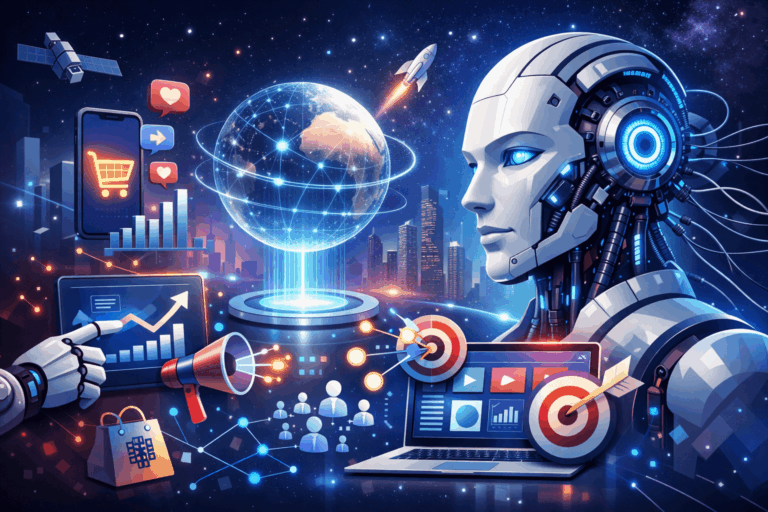
The Future of AI in Digital Marketing (2027 and Beyond)
As users increasingly rely on voice assistants, search behavior becomes more conversational and intent-driven. AI helps interpret natural language queries and deliver precise, context-aware results. This shifts optimization from keywords to answers and actions. Brands that align content with spoken intent gain visibility at the moment decisions are made.
AI-Driven Local Intent Matching
AI analyzes location signals, search context, and behavioral data to connect users with the most relevant local businesses. Instead of generic listings, results are tailored to urgency, proximity, and need. This improves lead quality and reduces mismatched inquiries. Local relevance becomes a competitive advantage.
Predictive Churn Prevention
AI identifies early warning signs of customer drop-off by tracking engagement patterns and usage behavior. This allows brands to intervene before churn happens through timely offers or support. Retention strategies become proactive rather than reactive. Long-term revenue stability improves as a result.
Conclusion:
If you remember one thing, remember this:
- AI amplifies what already exists.
- Bad strategy becomes faster failure.
- Good strategy becomes scalable success.
Choose tools that:
- Solve one clear problem
- Respect your brand voice
- Give insights, not just outputs
That’s how AI actually works in digital marketing in 2026.
Best AI Tools For Digital Marketing 2026: FAQS
The best AI tools in 2026 are those that improve targeting, personalization, SEO insights, and ad efficiency while supporting human-led strategy.
AI tools reduce wasted spend by predicting high-intent audiences, optimizing campaigns in real time, and improving conversion-focused decisions.
Yes, modern AI tools allow small businesses to compete with larger brands by automating insights, not just tasks, on limited budgets.
Businesses should select AI tools based on specific problems—such as lead quality or ad performance—rather than adopting tools for automation alone.


