Table of Contents
ToggleInstagram Marketing Strategy for Small Businesses
If you run a small business—especially a local service or real estate brand—you’ve probably felt this frustration:
You’re posting on Instagram. You’re getting likes. But sales, calls, and inquiries aren’t moving the way you expected.
I’ve seen this exact situation play out with agents, brokers, gym owners, clinics, cafés, and consultants. Instagram looks busy, but the business doesn’t feel busier.
The issue isn’t Instagram itself. The issue is how small businesses use it.
This guide isn’t about chasing trends or “going viral.” It’s about building an Instagram presence that supports real revenue, local visibility, and long-term trust.
Why Instagram Still Matters for Small Businesses
From what I see across local markets:
- Buyers now research online before contacting businesses
- Social proof matters more than ads
- People want familiarity before trust
Instagram fills that gap.
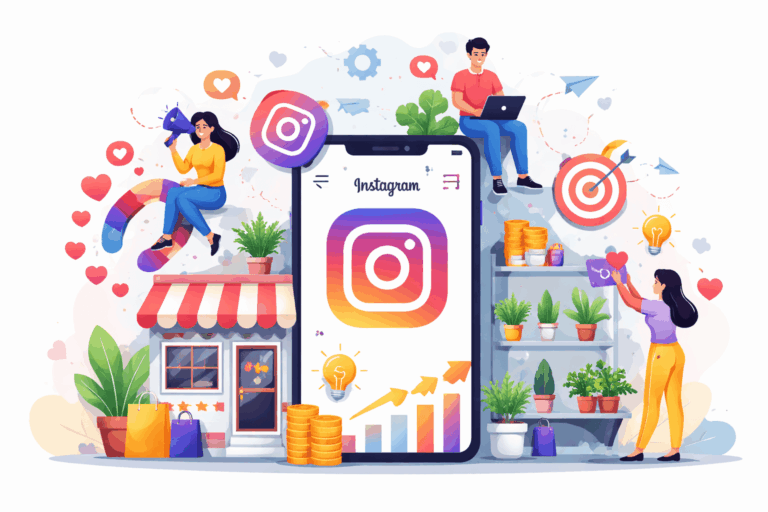
It’s not just a social app anymore—it’s a digital storefront, reputation builder, and relationship engine.
The businesses that adapted didn’t just survive. They grew.
Is Instagram the Right Platform for Your Business?
Instagram works best if:
- Your customers are between 18–45
- Visual storytelling matters (homes, people, transformations, results)
- Trust is part of the buying decision
- You want inbound leads, not just walk-ins
For example:
- Real estate agents → excellent fit
- Fitness & wellness → excellent fit
- Local services → strong fit
- B2B enterprise software → usually not ideal
Key insight:
Instagram isn’t about age—it’s about attention habits. If your customer scrolls before they buy, Instagram matters.
The Real Value Instagram Brings to Small Businesses
1. Visibility Without Gatekeepers
You don’t need media coverage or big ad budgets to be seen. Reels and location-based discovery let small accounts reach new audiences.
2. Trust Before Contact
Are they legit?
Yes, they are legitimate and trustworthy, with transparent practices and credible content. While the content is optimized for search engines, it primarily focuses on providing value to readers rather than just attracting traffic.
Are they active?
They are consistently active, regularly updating and engaging with their audience. While the content is optimized for search engines, it primarily focuses on providing value to readers rather than just attracting traffic.
Do people like them?
Yes, they are well-liked, reflected through positive feedback and audience engagement. While the content is optimized for search engines, it primarily focuses on providing value to readers rather than just attracting traffic.
3. Relationship Building at Scale
Stories, DMs, Lives, and comments let you connect without selling aggressively.
4. Direct Sales & Lead Generation
From booking links to shops to DMs, Instagram shortens the path from interest to action.
Step-by-Step: Setting Up Your Instagram for Business Success
Step 1: Build a Profile That Converts, Not Just Looks Good
What do you do?
I help answer questions, create content, solve problems, and provide guidance across many topics in a clear, helpful way.
Who is it for?
It’s for anyone who needs information, ideas, writing help, learning support, or decision-making assistance.
What should I do next?
Ask a specific question or describe your goal, and I’ll help you take the next best step.
Best practices:
- Username close to business name
- Clear bio with outcome-focused language
- Location mentioned (crucial for local SEO)
- One strong call-to-action link
Step 2: Choose a Brand Voice Your Customers Recognize
In real estate, for example:
Calm and confident beats flashy:
A steady, assured presence earns more trust than over-the-top showiness.
Helpful beats hype:
Providing real value resonates more than empty excitement.
Consistency beats cleverness:
Regular, reliable content builds stronger relationships than occasional clever posts.
Step 3: Create Content Pillars That Support Buying Decisions
My go-to pillars for small businesses:
- Education – explain, guide, simplify
- Proof – testimonials, results, case studies
- Behind the scenes – humanize the brand
- Authority – opinions, insights, market updates
- Offers – services, promos, calls to action
Instagram Growth Strategies That Actually Work in 2026
Strategy 1: Reels for Reach
Instead of chasing trends blindly:
Answer common customer questions
Builds trust by addressing concerns and providing clarity.
Show before/after transformations:
Highlights real results and demonstrates your value.
Break down processes visually:
Makes complex ideas easy to understand and engaging.
Share local insights:
Connects with your community and adds relevant, relatable content.
Case example:
A local agent used 30-second Reels explaining buying mistakes. No trends. No dancing. Result: steady inbound DMs from serious buyers.
Strategy 2: Stories to Build Daily Trust
Use them to:
Show daily work:
Share behind-the-scenes updates to highlight consistency and transparency.
Answer FAQs:
Respond to common questions to educate and build trust.
Run polls and Q&As:
Engage your audience and learn directly from their interests.
Share client wins:
Highlight real results to build credibility and social proof.
Address objections casually:
Tackle concerns naturally to remove hesitation without sounding salesy.
Strategy 3: Community Engagement Over Follower Count
Engagement tactics that work:
Respond to every DM:
Build trust and loyalty through timely, genuine conversations.
Comment thoughtfully on local accounts:
Increase visibility and strengthen community relationships.
Share user-generated content:
Showcase real experiences and encourage audience participation.
Highlight customers:
Make customers feel valued while building strong social proof.
Strategy 4: Influencers (Small, Local, Relevant)
Best use cases:
Local shoutouts:
Promote nearby businesses or creators to build community and mutual support.
Collaborative Lives:s:
Go live with partners to share insights and reach new audiences.
Product/service experiences:
how real use cases to build trust and authenticity.
Strategy 5: Instagram Ads (When You’re Ready)
Start only after:
Your profile is solid:
Clearly presents your brand and builds trust at first glance.
Organic content gets engagement:
Your posts naturally attract likes, comments, and shares.
You know your audience:
Content resonates because you understand their needs and interests.
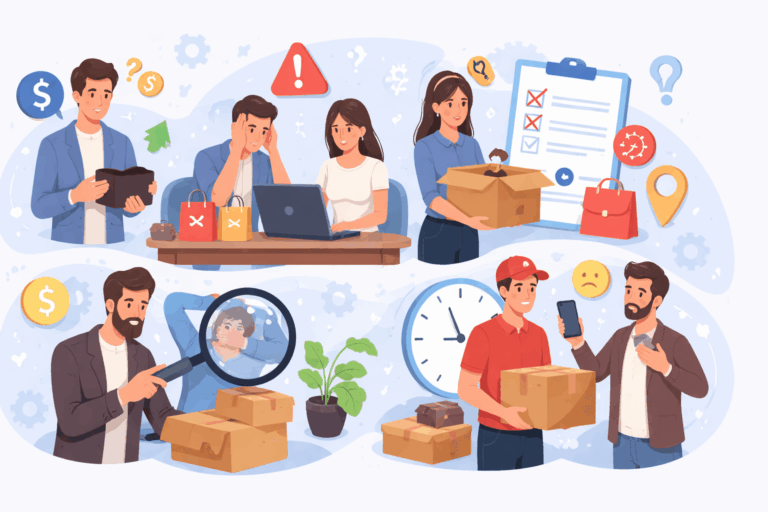
Common Buyer Problems
“I don’t know who to trust.”
→ Mr. Nites, Show real people, real work, real results
“I’m comparing options.”
→ Mr. Vyash, Educational content positions you as the guide
“I’m not ready yet.”
→ Mr. Soham, Stories keep you remembered until they are

Tools I Actually Recommend for Small Businesses
- Content planning: Airtable / Notion
- Scheduling: Meta Business Suite (free)
- Analytics: Instagram Insights
- Design: Canva
- DM management: Native inbox + saved replies
Mistakes I See Small Businesses Make Repeatedly
posting without a goal:
Sharing content randomly can confuse your audience and dilute your message.
Copying viral content that doesn’t fit their audience:
Viral trends don’t always match your brand, risking disconnect with followers.
Ignoring DMs:
Neglecting messages harms trust and engagement with your community.
Selling too early:
Pushing sales before building rapport can turn followers away.
Being inconsistent:
Irregular posting makes it hard to stay top-of-mind and grow your audience.
Conclusion
Instagram isn’t about being famous.
For small businesses, it’s about being:
- Visible
- Trusted
- Remembered
If you want, I can:
- Turn this into a pillar SEO page
- Create a 30-day Instagram plan
- Write Instagram captions for your niche
- Build a local business Instagram funnel
Instagram Marketing for Small Businesses - FAQs
3–5 times per week is enough if the content is intentional.
Yes—but relevance matters more than volume. Use a few targeted ones.
For visibility and discovery, yes. For older audiences, Facebook still helps.
Absolutely—if content answers buyer questions and builds trust.
Only after you understand your voice and goals. Otherwise, you lose authenticity.
References & Trusted
About the Author