
Table of Contents
ToggleStep-by-Step Guide To Ranking Your Business On Google Maps
Last year I audited the Google Business Profile of a dental clinic in Ahmedabad. The owner told me something I hear constantly: “We hired an agency. They promised Top 3 ranking on Google Maps in 30 days. It’s been 5 months. We still barely get calls.”
When I reviewed their setup, here’s what I found:
- 80+ citations created on random directories
- Keywords stuffed into the business name
- Dozens of low-quality backlinks
- Almost no review strategy
- Website barely optimized for local search
The agency was doing activity. But not the work that actually influences Google Maps rankings. This is the problem with most “Google Maps SEO” advice online.
Most blogs explain what the algorithm likes. But business owners need to understand something different:
What decisions actually produce leads and customers. In my experience auditing hundreds of Google Business Profiles:
- Some businesses rank in the Top 3 Map Pack but get almost no calls
- Others sit in position #5 or #6 but generate steady bookings
- Some industries are impossible to dominate quickly because of competition
This guide will not promise rankings. Instead, it will explain:
- What actually influences Google Maps rankings
- What most local SEO agencies get wrong
When local SEO is worth investing in — and when it isn’t
The Real Problems Local Businesses Face With Google Maps SEO
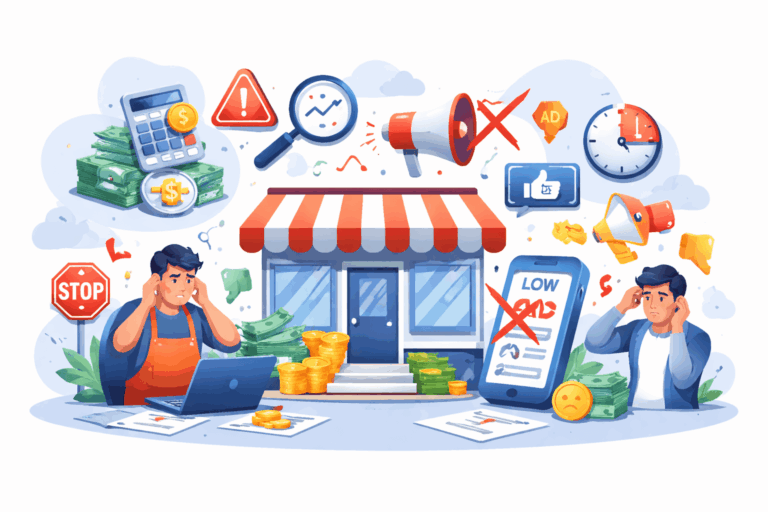
Before we talk tactics, let’s talk about the mistakes that cost businesses money. These patterns repeat across industries:
- clinics
- restaurants
- salons
- home services
- real estate
Problem 1: Agencies Promising Guaranteed Map Rankings
This is the most common red flag. Any agency promising “Guaranteed Top 3 Google Maps ranking” is ignoring a simple reality: Google Maps rankings depend on several factors that businesses cannot fully control. The location of the searcher, competitor activity, and frequent Google algorithm changes all influence results. This is why understanding how businesses rank on Google Maps is important before believing claims that guaranteed rankings are possible.
Problem 2: Fake Competitors Using Virtual Offices
In many cities I audit, half the competitors in Google Maps are not real locations. Typical tricks include:
- coworking addresses
- fake service-area listings
- multiple listings for the same business
This creates frustration for legitimate businesses.
But here’s the uncomfortable truth: Even when spam exists, reporting competitors rarely fixes your ranking problem.
Your real advantage comes from stronger signals, not complaints.
Problem 3: Businesses Ranking but Getting No Calls
Ranking alone does not produce leads. Common reasons:
- weak reviews
- poor photos
- confusing services
- bad website experience
I’ve seen businesses with #2 ranking in Maps generating fewer calls than a competitor at #5.
Why?
Because customers trust reputation and clarity, not just ranking.
Problem 4: Agencies Obsessed With Citations
Citations used to matter more. Today they are a basic hygiene factor, not a ranking weapon.
Creating 100 directories rarely moves rankings if:
- reviews are weak
- website is poor
- user engagement is low
Yet many agencies still sell citation packages. Because they are easy to automate.
Problem 5: Business Owners Chasing Keyword Tricks
Examples I see often:
- adding keywords to business name
- overloading descriptions
- changing categories constantly
These tricks sometimes produce short-term gains. But they rarely create stable rankings or real leads.

The Practical Google Maps Ranking Framework
Let’s walk through the framework I use when auditing local businesses. Not every step is equally important. But skipping the wrong one can cost months of effort.
Step 1: Business & Market Validation
Before doing any SEO work, ask a simple question:
Is Google Maps even the right channel?
Some businesses get very little value from Maps.
Examples:
- B2B services
- niche consulting
- high-ticket projects
Maps works best when customers search things like:
- dentist near me
- plumber near me
- salon in [city]
If your customers don’t search locally, Maps will not drive many leads.
Mistake to Avoid
Investing in local SEO when search demand is low.
Pro Tip
Check local demand using:
- Google search suggestions
- Google Search Console
- real competitor traffic
Step 2: Google Business Profile Setup & Optimization
Your Google Business Profile is the foundation. Focus on clarity, not keyword stuffing. Important elements:
- correct primary category
- clear services
- accurate location
- real photos
- working phone number
Why It Matters
Google evaluates whether your listing matches local search intent.
Mistakes I See Often
- choosing wrong category
- inconsistent business information
- empty service sections
- outdated photos
Step 3: Local Relevance Signals
Google wants to understand what your business actually does.
Key signals include:
- business categories
- services listed
- website content
- proximity to searcher
Pro Tip
Your website should reinforce the same services listed on your profile.
Example: If your profile lists cosmetic dentistry, your website must have content explaining that service.
Step 4: Reviews & Reputation Strategy
Reviews influence two things:
- trust with customers
- engagement signals
Businesses with consistent review growth often outperform competitors.
What Actually Works
- asking satisfied customers immediately after service
- simple review links
- responding to reviews
What Doesn’t Work
- buying fake reviews
- sudden bursts of reviews
- review exchanges
These patterns are easily detected.
Step 5: Local Authority & Citations
Citations still matter for trust validation. But quality matters more than quantity.
Focus on:
- major business directories
- industry directories
- consistent NAP information
Random directories provide little benefit.

Realistic Testimonials
“We originally hired an marketing agency that focused only on citations. Nothing changed. Once we started improving reviews and the website, we finally saw more patient calls.”
- Dental Clinic Owner
“I thought ranking on Google Maps would automatically bring customers. It didn’t. The real change happened when we improved photos and reviews.”
- Restaurant Founder
“We wasted almost a year chasing quick ranking tricks. Once we fixed our listing and website properly, the calls slowly increased.”
- Home Services Company

Verified Data & Market Context
Reliable measurement matters.Key tools include:
Google Business Profile Insights
Google Business Profile Insights shows how customers interact with your business on Google Maps and local search. It tracks key actions like phone calls, direction requests, and profile views. For local businesses, this data helps identify whether your Maps visibility is actually turning into real customer interest.
Google Analytics
Google Analytics helps you understand what visitors do after they click through to your website. It shows where your traffic comes from, which pages people visit, and how long they stay. This helps businesses measure whether local search traffic is leading to real engagement.
Google Search Console
Google Search Console reveals the exact search queries people use to find your website on Google. It also shows impressions, clicks, and ranking positions for local keywords. This helps businesses understand which local searches are driving visibility.
Call Tracking Tools
Call tracking tools assign unique phone numbers to different marketing channels so you can see which sources generate phone calls. For local businesses that rely heavily on calls, this helps measure whether Google Maps, organic search, or ads are actually driving leads.
Conclusion
Ranking on Google Maps is not a trick.
It is the result of strong local signals over time:
- reputation
- relevance
- customer engagement
- local authority
Businesses that focus only on rankings usually fail.
Businesses that focus on customer trust and visibility usually win.
Step-by-Step Guide To Ranking Your Business On Google Maps: FAQ
Typically 3–9 months, depending on competition and review activity.
Yes — but indirectly. Reviews influence engagement and trust, which affects visibility.
You can report them, but results are inconsistent. Focus first on improving your own signals.
In competitive markets, ads often generate leads faster than SEO. SEO works best for long-term visibility.
You can report them, but results are inconsistent. Focus first on improving your own signals.


