
Table of Contents
ToggleWhy SEO Is Better Than Ads For Local Service Companies?
Why SEO Is Better Than Ads For Local Service Companies?: A dentist in a mid-sized city starts running Google Ads after being told it’s the fastest way to get patients. The agency promises:
- “Instant leads”
- “Page-one visibility”
- “High-intent traffic”
The dentist spends ₹35,000 per month on ads.
Month 1: Clicks increase. The dashboard looks impressive.
Month 2: Phone calls increase slightly, but half are irrelevant.
Month 3: The agency says: “Competition has increased. We need to increase the budget.”
Now the dentist is spending ₹60,000/month. Yet actual new patient bookings barely changed. This situation isn’t rare.
In my experience auditing digital marketing for local service businesses — including clinics, repair services, real estate consultants, and coaching institutes — the biggest problem isn’t bad marketing platforms.
It’s bad decisions about when and why to use them. Most marketing blogs simplify the debate:
- “SEO takes time.”
- “Ads give instant results.”
But that framing hides the real question business owners should ask: Which channel builds sustainable growth instead of forcing you to keep paying forever?
For most local service businesses, the answer is usually SEO.nNot because SEO is magical. But because local search behavior works differently than most marketing advice assumes.
The Real Problems Local Businesses Face With Ads
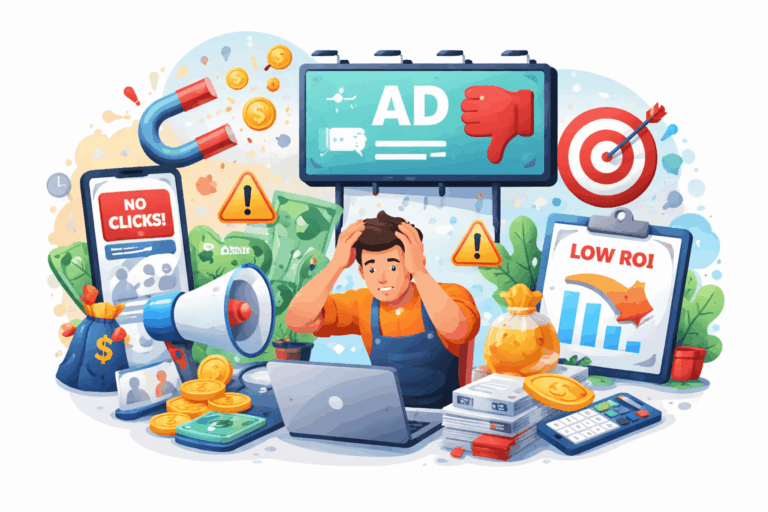
Before comparing SEO and Ads, let’s talk about the patterns I repeatedly see when auditing local marketing campaigns. Many business owners struggle to understand SEO often works better than ads for local businesses, especially when agencies push paid campaigns as the default solution. These problems appear across industries:
- Healthcare clinics
- Real estate consultants
- Plumbers and repair services
- Coaching institutes
- Interior designers
- Legal professionals
Problem 1: Paying for Clicks That Don’t Convert
Many businesses spend money on ads without understanding lead quality. Example from an audit: A plumbing service spent ₹45,000/month on ads targeting “plumber near me”.
Problems found:
- 30% clicks were job seekers25% were price inquiries with no intention to book
- 20% were wrong locations
Actual qualified leads were less than 25% of clicks. That makes ad economics extremely difficult.
Problem 2: Ads Stop the Moment Budget Stops
Paid advertising works like renting a shop. The moment you stop paying rent, visibility disappears. If a clinic gets 80% of leads from ads, stopping ads means:
- Leads drop immediately
- Revenue becomes unstable
- Marketing becomes stressful
This dependency is extremely common in service businesses that start with ads but never invest in SEO.
Problem 3: High Cost Per Lead
In many local industries today:
- Dental treatment keywords can cost ₹60–₹150 per click
- Real estate leads can reach ₹200–₹400 per click
- Interior design keywords can go even higher
If conversion tracking is weak, the business ends up paying for traffic instead of customers.
It is impossible to keep the good business hidden without a good digital presence that will open it to potential customers.
Problem 4: Agencies Prefer Ads Because They Are Easier to Sell
Ads produce instant dashboards. That makes them easier to pitch. But that doesn’t mean they build long-term business value.
I’ve seen many agencies push ads before a business even has:
- A credible website
- Google reviews
- Local SEO presence
- Optimized service pages
Running ads without trust signals is like sending customers to an empty store.
Problem 5: No Long-Term Asset Is Being Built
After 12 months of ads, what does a business own? Usually nothing.
No:
- organic rankings
- long-term traffic
- compounding visibility
They simply bought attention.
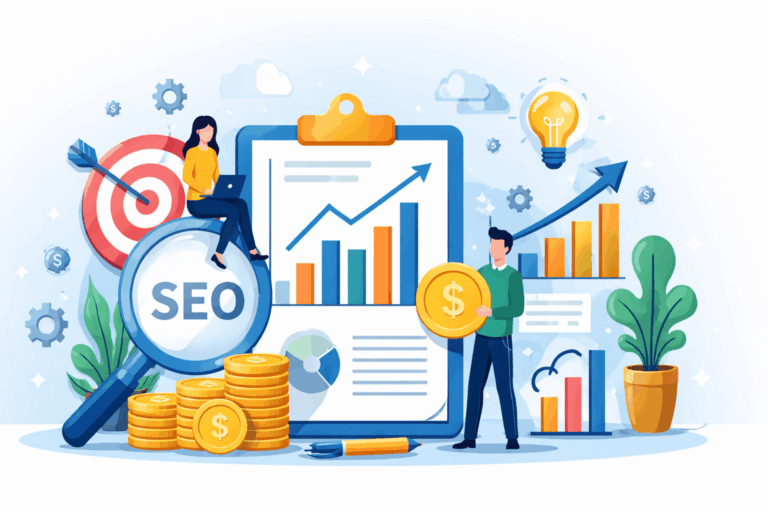
Practical Framework: When SEO Is the Better Investment
Step 1: Understand Your Lead Economics
Before choosing SEO or Ads, a business must understand three numbers:
- Average customer value
- Lead conversion rate
- Profit margin
Example: Dental clinic
- Average treatment value: ₹12,000
- Profit margin: 40%
- Conversion rate: 25%
Meaning:
- Every 4 leads generate 1 customer worth ₹12,000.
- If ads cost ₹800 per lead, it might still work.
- But if leads cost ₹2,500, ads quickly become unsustainable.
Most businesses never calculate this.
Mistake to Avoid
- Running ads without knowing lead economics.
- That’s how budgets quietly disappear.
Pro Tip
Always calculate:
- Customer Acquisition Cost (CAC)
- If CAC approaches 40–50% of profit, the marketing model becomes risky.
- SEO usually reduces CAC over time.
Step 2: Understand Local Search Behavior
Local services rely heavily on intent-based searches. People search things like:
- “dentist near me”
- “plumber in Ahmedabad”
- “real estate consultant in Gandhinagar”
In these situations, users often prefer organic listings or Google Maps results.
Why?
- Because ads feel promotional.
- Organic results feel earned.
Trust matters more in services involving:
- health
- property
- repairs
- professional advice
Mistake to Avoid
- Ignoring Google Maps optimization while spending heavily on ads.
- Local SEO often produces faster trust signals than paid traffic.
Step 3: Understand the Cost Structure
A simple way to think about it:
- Ads = renting visibility
- SEO = building visibility
Ads cost structure:
- Pay per click
- Competition increases costs
- Budget must continue forever
SEO cost structure:
- upfront effort
- slower start
- traffic compounds over time
After a year, many SEO campaigns produce consistent leads without increasing spending. Ads rarely behave that way.
Step 4: Trust and Buyer Psychology
Local customers rarely choose service providers randomly. They look for signals like:
- Google reviews
- local reputation
- content authority
- organic ranking
Ads don’t automatically provide those signals. Organic rankings often do.
Step 5: When Ads Actually Make Sense
Ads make sense when:
- A new business needs early visibility
- Emergency services (locksmiths, plumbers)
- Short seasonal promotions
- Testing demand for new services
But ads should usually support SEO — not replace it.
Step 6: Why SEO Compounds Over Time
SEO works slowly but builds momentum. Example growth pattern:
- Month 1–3 Minimal traffic
- Month 4–6 Keywords begin ranking
- Month 7–12 Traffic compounds
After a year, businesses often see consistent inbound leads. Ads never compound this way.
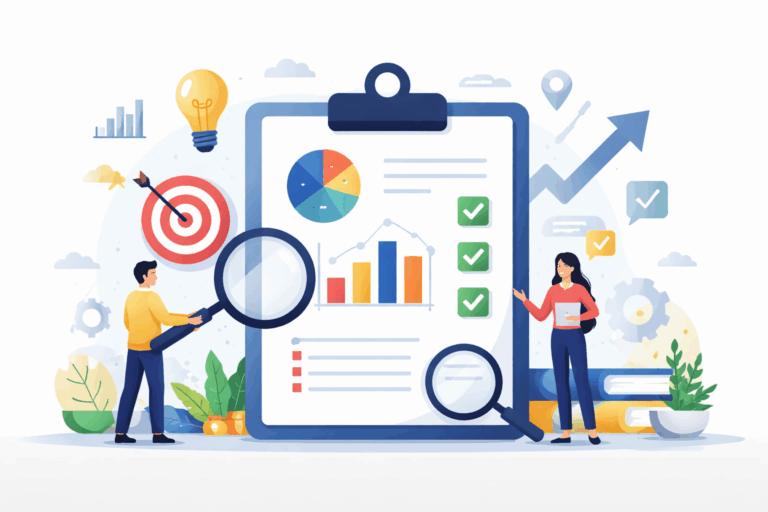
Case Study
Case Study: Local Dental Clinic
Location: Tier-2 Indian city
Initial marketing strategy:
- Google Ads budget: ₹40,000/month
- Cost per lead: ₹900
- Monthly leads: ~45
Problems discovered:
- Low-quality leads
- High drop-off rate
- Rising click costs
Decision made:
- Reduce ad spend to ₹15k
- Invest in SEO.
SEO work included:
- Local keyword pages
- Google Maps optimization
- Review strategy
- educational content
Results after 10 months:
- Organic traffic: +310%
- Leads from organic search: 70/month
- Ads now used only for specific procedures.
Key lesson
SEO produced lower acquisition cost and more stable lead flow.
Case Study: Interior Design Firm
Initial situation:
- Ad spend: ₹70k/month
- Cost per lead: ₹1,800
- Conversion rate: 10%
Customer acquisition cost was extremely high. The firm shifted strategy.
Invested in:
- service-specific SEO pages
- portfolio content
- local keyword targeting
After 12 months:
- organic leads: 90/month
- paid leads reduced significantly
- overall marketing cost per customer dropped nearly 40%

What Real Business Owners Say
“Ads were giving us traffic but not stability. SEO took time, but now patients find us directly on Google.”
- Founder – Dental Clinic
“Most of our ad clicks were useless. Local SEO improved our Google Maps visibility and calls increased.”
- Owner – Plumbing Service
“Ads helped early, but SEO gave us credibility. Clients trust organic results more.”
- Director – Interior Design Studio

Who This Guide Is NOT For
This guide is not for businesses expecting:
- overnight rankings
- viral marketing hacks
- instant ROI
SEO requires:
- patience
- consistency
- credible websites
- reputation building
If a business owner wants instant leads tomorrow, ads will always feel more attractive. But that doesn’t mean they are the smarter investment.
Proof Signals and Data Sources
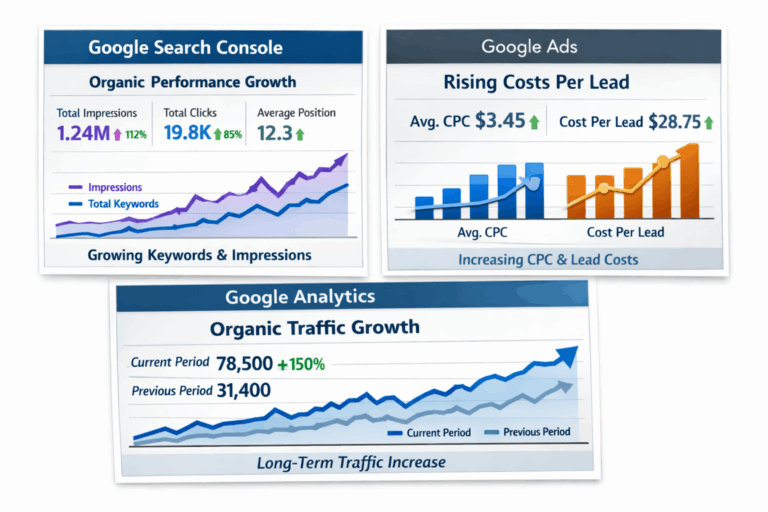
Conclusion
For most local service companies, SEO eventually becomes the stronger growth engine. Not because it is faster. But because it creates:
- trust
- stability
- compounding visibility
Ads can bring attention. SEO builds reputation and discoverability. The smartest businesses rarely choose one or the other. They simply make sure ads support SEO — instead of replacing it.
Why SEO Is Better Than Ads For Local Service Companies?: FAQ
Not necessarily. Ads can support your marketing, but relying on them for 100% of your leads is risky because traffic stops the moment you stop spending.
In most competitive local markets, SEO usually takes 6–12 months to show strong, consistent growth in traffic and leads.
Many competitors run ads, but most still depend heavily on organic rankings and Google Maps visibility for long-term leads.
Yes. Local searches like “service near me” still drive huge demand, and businesses ranking organically often get more trust and clicks.
Look for real progress such as keyword ranking growth, better Google Maps visibility, and increasing organic leads, not just monthly reports.
Refrences
About the Author



SEO Mistakes Small Businesses Should Avoid - FLM
September 10, 2026 - 10:20 am[…] Read More:- Why SEO Is Better Than Ads For Local Service Companies? […]