
Table of Contents
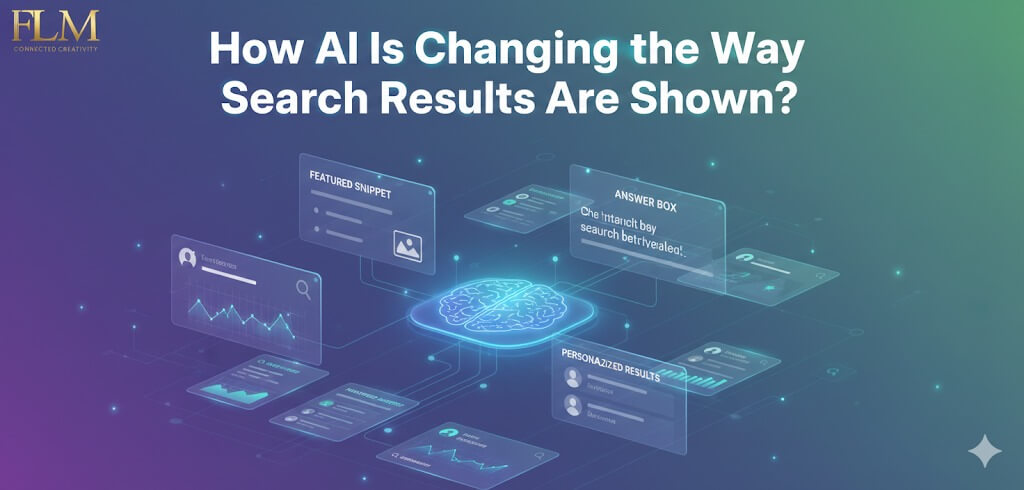
ToggleHow AI Is Changing the Way Search Results Are Shown?
For years, search engines rewarded people who knew how to “play the system.” Add the right keywords, build enough links, and you could rank—even if your content barely helped the reader. That era is ending.
AI hasn’t just improved search results. It has changed the rules of visibility, trust, and decision-making online. As someone who works closely with real businesses—especially local service providers and high-involvement buyers—I’ve seen first-hand how AI-driven search is separating brands people see from brands people actually choose.
This article breaks down how AI is reshaping search results, what most websites are getting wrong, and what actually works if you want traffic that converts—not just impressions.
How AI Is Changing the Way Search Results Are Shown?
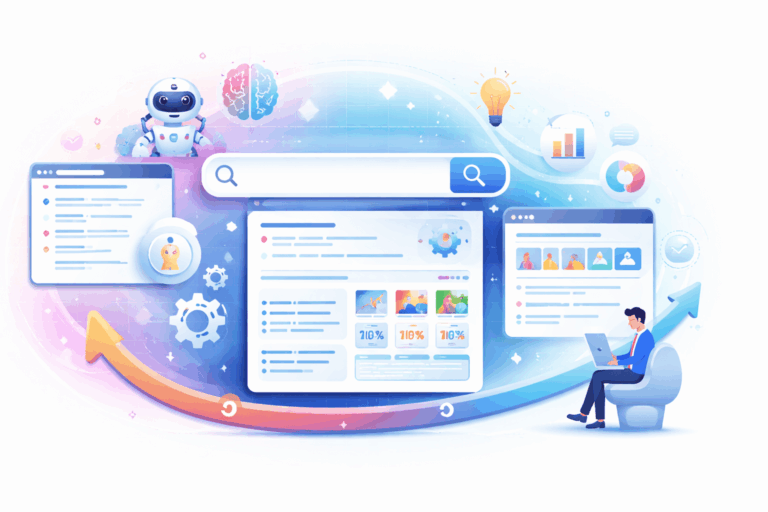
Earlier search engines ranked pages. Modern AI-driven search systems rank solutions. Today, Google, Bing, and AI assistants don’t ask: “Which page matches these keywords?”
They ask: “Who explains this problem clearly, credibly, and completely?”
AI models now evaluate:
Context (Why the User Is Searching)
Understand the real problem or decision behind the query, not just the keyword. Content that matches intent feels immediately relevant and keeps users engaged.
Depth of Explanation
Go beyond surface-level answers by explaining the “why” and “how.” Helpful depth builds confidence and positions your content as a reliable resource, not filler
Real-World Usefulness
Focus on actionable advice, examples, and next steps users can actually apply. Practical content reduces confusion and increases perceived value.
Trust Signals (Experience, Accuracy, Consistency)
Show real experience through examples, updated data, and consistent messaging. Trust grows when users sense expertise, honesty, and reliability across pages.
User Satisfaction After the Click
Success isn’t just ranking—it’s whether users feel their question was fully answered. Satisfied users stay longer, engage more, and are more likely to convert or return.
From “Search Queries” to “Decision Journeys”
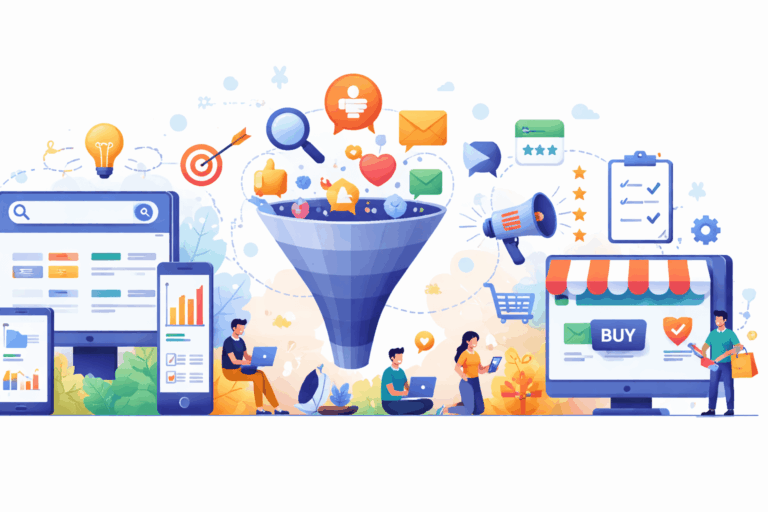
In real life, people don’t search once. They search in stages.Example I see constantly with local buyers:
- “Is this problem serious?”
- “What are my options?”
- “Who can I trust near me?”
- “What mistakes should I avoid?”
- “Who feels safest to contact?”
AI systems now connect these stages, not treat them as separate searches.
What AI does differently:
- Tracks patterns across multiple searches
- Identifies when a user is comparing, hesitating, or ready to act
- Surfaces content that reduces doubt—not just explains basics
Personalization Isn’t Optional Anymore
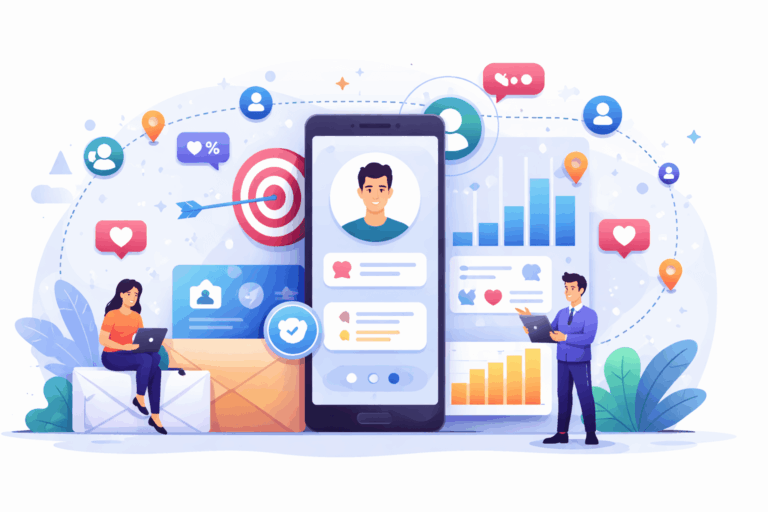
AI search results are no longer universal. Two people searching the same thing may see:
- Different formats
- Different sources
- Different recommendations
What influences results:
- Location
- Past behavior
- Device type
- Time sensitivity
The Real Impact of Zero-Click & AI Summaries (And How to Win Anyway)
Yes—AI summaries reduce clicks. But here’s what most people miss: AI still needs trusted sources to generate answers.
If your content:
- Explains why, not just what
- Includes experience-based guidance
- Covers edge cases and risks
AI often quotes, summarizes, or references your perspective, even when users don’t click immediately.
Smart strategy:
Instead of chasing clicks, optimize for:
Being cited
Your content is used as a source by other websites, platforms, or AI systems. This signals authority and accuracy, helping reinforce your credibility beyond your own site.
Being Referenced
People and platforms mention you when explaining, comparing, or recommending options. References indicate your insights are considered reliable and worth repeating.
Being Trusted at the Decision Moment
When users are ready to choose, your brand feels safe and familiar. Trust at this stage directly influences conversions, calls, and final buying decisions.
That trust later converts into:
Direct Visits
Users come to your website intentionally by typing your URL or using bookmarks. This shows strong brand recall and existing trust.
Brand Searches
People search specifically for your business or name on Google. Brand searches indicate growing awareness and preference over competitors.
Higher Close Rates
Leads convert more often because they already trust your expertise. Strong branding and authority reduce hesitation and shorten the sales cycle.
Generative Search: Helpful or Dangerous?
Generative AI can:
- Compare options
- Summarize opinions
- Offer step-by-step advice
That’s why AI systems increasingly rely on:
- Verified sources
- Experience-based content
- Professionals who acknowledge limits and risks
Pages that win:
- Mention real mistakes
- Share what doesn’t work
- Explain trade-offs honestly
What AI Search Means for SEO (Practical Checklist)
Content that survives AI-driven search
- Written from real experience
- Explains decisions, not definitions
- Covers fears, mistakes, and consequences
- Includes clear next steps
- Matches local realities
Technical signals still matter:
- Fast loading
- Clean structure
- Schema for clarity
- Mobile usability
But content credibility is now the multiplier.
Ethical & Trust Challenges (Why Transparency Matters)
AI search isn’t neutral. Bias, incomplete data, and over-simplification are real risks. That’s why search engines increasingly favor:
Transparent Authorship
Clearly show who created the content, their role, and real experience. Visible authorship builds accountability and signals authenticity to both users and search engines.
Clear Expertise
Demonstrate subject-matter knowledge through accurate explanations, examples, and informed opinions. Expertise should be evident without over-claiming or fluff.
Consistent Real-World Alignment
Ensure your content matches how things actually work on the ground. Consistency between claims, outcomes, and user experience reinforces long-term trust.
If your content hides behind vague language, AI de-prioritizes it.
What’s Coming Next (And How to Prepare)
AI-Generated Comparisons Becoming Standard
Search engines increasingly summarize and compare options directly in results. Businesses that clearly communicate strengths, pricing context, and differentiators will win visibility and trust inside these AI-driven summaries.
Voice-First Search Growth in Local Decisions
More users now search by speaking, especially for nearby services and quick decisions. This favors natural language content, clear answers, and strong local signals over keyword-stuffed pages.
Action-Based Search (“Book,” “Schedule,” “Compare”)
F.2.1 Hiring an Agency and Their Benefits
Search intent is shifting from research to immediate action. Pages that support fast decisions with clear CTAs, availability, and proof convert better than informational content alone.
Fewer Results, Higher Stakes
AI-powered SERPs show fewer traditional links, concentrating attention on top results. Ranking well now matters more than ever—visibility loss means fewer chances to earn trust or traffic.
Conclusion
AI didn’t make search easier for creators. It made it more honest.
If your content:
- Helps people decide
- Respects their risk
- Reflects real experience
AI will amplify you. If it doesn’t—AI will quietly replace you. The future of search belongs to advisors, not optimizers.
How AI Is Changing the Way Search Results Are Shown? : FAQS
AI understands user intent, context, and behavior to show more personalized, relevant, and direct answers instead of just keyword-matched pages.
AI analyzes location, past searches, and preferences to tailor search results uniquely for each user, improving accuracy and relevance.
AI-powered features like featured snippets and generative answers provide instant information, reducing the need to click on websites.
AI prioritizes content quality, user intent, experience, and trust signals over keyword stuffing or backlink manipulation.
No, AI enhances search engines by making results smarter and more conversational, not by replacing them entirely.
Reference
About the Author