
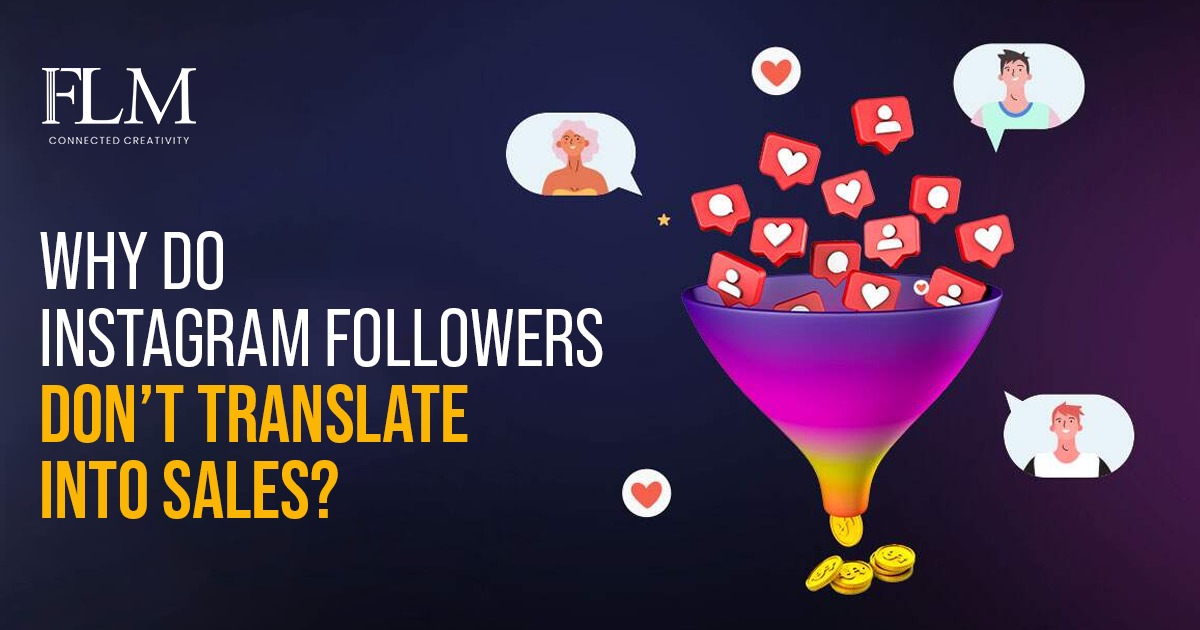
Many businesses celebrate high follower counts, assuming it will automatically lead to revenue. However, understanding Why Do Instagram Followers Do Not Translate Into Sales? reveals deeper issues like weak targeting, unclear offers, or poor conversion strategy. Without fixing these gaps, follower growth often becomes a vanity metric rather than real business growth.
Table of Contents
ToggleWhy Do Instagram Followers Do Not Translate Into Sales?
Why Do Instagram Followers Do Not Translate Into Sales?: Last year, I audited a business celebrating 32,000 Instagram followers.They had:
- 1,200–2,000 likes per post
- 40–60 comments
- Daily DMs asking for “details”
- Regular reels crossing 20K views
But their website was getting less than 600 monthly visits from Instagram.
And out of those 600?
Three purchases.
Meanwhile:
- ₹35,000/month spent on content
- ₹20,000 boosting posts
- An agency promising, “We’ll hit 50K followers by Q2.”
In my experience auditing social media accounts for real businesses, this is common — not exceptional.
The founder thought growth meant momentum. The dashboard showed engagement. The agency showed follower graphs.
But revenue didn’t move. Most Instagram marketing blogs fail real businesses because they optimize for visibility, not profitability. They celebrate attention metrics. They rarely ask:
“Is this audience buying — or just watching?”
This guide is not about hacks. It’s about why followers don’t convert — and how to stop burning money chasing them.
The Real Business Problems Behind “High Followers, Low Sales”
Problem 1: Followers Without Purchase Intent
Most businesses attract:
- Students
- Competitors
- Content consumers
- Freebie hunters
- Other creators
Very few attract buyers.Retail and D2C brands especially fall into this trap: viral reels bring reach, but reach ≠ revenue.
For local service businesses — clinics, salons, consultants — it’s worse. Their audience is often geographically irrelevant.
I’ve seen Ahmedabad-based clinics with 25K followers — but 40% of their audience was from other states.That’s not growth. That’s noise.
Problem 2: Influencer-Driven but Unqualified Audiences
Influencer collaborations spike followers. But rarely spike retention or repeat purchases.
Why?
Because influencer audiences follow personalities — not your offer. You borrow attention. You don’t build intent.
D2C brands especially see:
- Short-term revenue bump
- Long-term drop in ROAS
- Rising CAC (Customer Acquisition Cost)
Problem 3: Engagement Pods & Artificial Interaction
If your posts get:
- 100 comments saying “Nice or Good”
- Random creators commenting within seconds
You’re in an engagement loop.That doesn’t drive:
- Website visits
- Cart adds
- Booked calls
It drives algorithm vanity.
Problem 4: Ads Optimized for Engagement
I frequently see this in Meta Ads Manager:
- Campaign Objective: Engagement
- Result: Cheap likes
- Outcome: No measurable sales
Boosting posts destroys clarity. When I audit:
- Cost per engagement looks “cheap”
- Cost per purchase is unknown
You cannot optimize what you don’t track.
Problem 5: Organic Reach Decline
Organic reach on Instagram has steadily declined with each algorithm update, and what worked reliably in 2020 no longer delivers the same visibility today. The platform constantly shifts how content is distributed, prioritizing changing user behavior over business consistency. A single update can reduce your reach overnight without warning. Because Instagram is rented attention—not an owned channel—you cannot build a predictable revenue engine by depending on it alone. Sustainable businesses build systems beyond the algorithm.
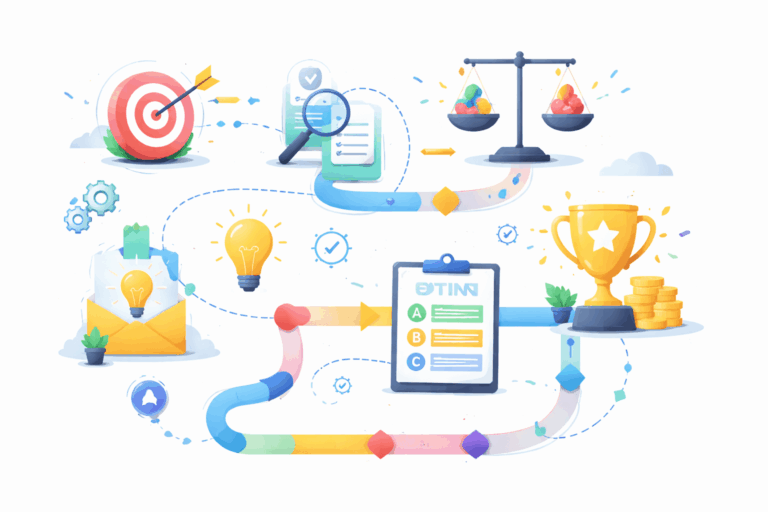
The Decision Framework I Use in Audits
Here’s are some steps for Why Do Instagram Followers Do Not Translate Into Sales?
Step 1: Define Revenue Objective (Not Follower Target)
What to do:
Set a revenue goal tied to Instagram — not a follower number. “10,000 followers” is not a business objective; “₹3 lakh in monthly sales from Instagram-driven leads” is. Followers measure attention, but revenue measures impact. When you define success in terms of qualified inquiries, booked calls, purchases, or repeat customers, your strategy shifts from chasing visibility to building conversion systems. Businesses that anchor Instagram to revenue make clearer decisions about content, ads, targeting, and budget — and stop celebrating growth that doesn’t pay.
Why it matters:
Followers are a metric. Revenue is a result.
Mistake to avoid:
Celebrating 10K followers without knowing how many buyers are inside that pool.
Pro Tip:
If your agency leads with follower projections — that’s a red flag.
Step 2: Audience Intent Audit
What to do:
Check:
Location Distribution
Location distribution tells you whether your followers can realistically become customers. If you run a local business and a large percentage of your audience sits outside your service area, your engagement is misleading. High reach from irrelevant cities may inflate likes and comments but won’t generate revenue. Always compare follower geography with actual paying customer locations. If they don’t align, you’re building visibility, not demand.
Age Relevance
Age relevance determines whether your audience has the intent and purchasing power to buy. Many businesses targeting premium or high-ticket services unknowingly attract younger audiences who engage frequently but rarely convert. High interaction from the wrong age group creates a false sense of growth. Review your audience insights and compare them with your real customer profile. If there’s a gap, your content is attracting attention, not buyers.
Engagement Type
Not all engagement signals buying intent. Comments like “Good” or “Nice post” don’t indicate interest in your offer. Meaningful engagement includes pricing questions, service-related queries, saves, shares, and website clicks. If your engagement is mostly surface-level reactions, you’re optimizing for visibility instead of conversion. The type of interaction matters more than the volume.
Website Click-Through Rate
Your website click-through rate reveals whether your content drives action or just passive scrolling. If thousands see your post but only a small fraction visit your site, your content isn’t moving people toward a decision. Low CTR often means your call-to-action is weak or your audience lacks intent. Instagram engagement without traffic rarely leads to measurable sales. Traffic is the bridge between attention and revenue.
Why it matters:
Content consumers are not buyers.
Mistake to avoid:
Assuming comments = purchase readiness.
Pro Tip:
If less than 2–3% of engaged users visit your website, your audience is passive.
Step 3: Funnel Check – Instagram Is Not a Sales System
What to do:
Map the full path your customer takes instead of assuming Instagram itself will close the sale. Start with your bio — is it clearly positioned around a problem and outcome, or just descriptive? Then examine the link — does it lead to a focused action or a cluttered homepage? Your landing page should speak directly to the intent created by your content, not distract visitors with multiple options. The offer must be specific, time-bound, or value-driven enough to justify action. Finally, your follow-up system — email, WhatsApp, retargeting, or call scheduling — determines whether interest converts into revenue. Without this mapped path, you’re generating attention, not building a sales system.
Why it matters:
DM conversations do not scale.
Mistake to avoid:
Using a homepage instead of a focused landing page.
Pro Tip:
Every campaign should have one clear conversion path.
Step 4: Content Alignment With Buying Stage
Are you:
- Building awareness?
- Creating consideration?
- Driving conversion?
Most businesses stay stuck in awareness.
Mistake to avoid:
Posting educational content without positioning the offer.
Pro Tip:
At least 30% of your content should move people toward a decision.
Step 5: Ads Optimization Audit
Inside Meta Ads Manager, check:
Objective Selected
The campaign objective determines what the algorithm prioritizes. If you select “Engagement,” the system will find people who like, comment, and react — not necessarily people who buy. Many businesses unknowingly optimize for cheap interactions instead of revenue actions. Your objective must align with your business goal: leads, purchases, or bookings. If the objective is wrong, every performance metric becomes misleading.
Optimization Event
The optimization event tells the platform which action matters most — link clicks, leads, add to cart, or purchase. If you optimize for link clicks, you’ll get traffic; if you optimize for purchases, you’ll get buying behavior signals. Choosing a shallow event keeps the algorithm in awareness mode. Serious advertisers optimize for the deepest possible conversion event they can track reliably. Anything else delays learning and wastes the budget.
Attribution Window
The attribution window defines how long after clicking or viewing an ad a conversion is counted. A 7-day click window captures delayed decisions, while a 1-day window may underreport actual performance. Many agencies hide behind longer attribution windows to inflate perceived results. You must understand how sales are being credited — otherwise, you can’t judge real ROI. Attribution clarity protects you from false optimism.
Cost per Conversion
Cost per conversion is the only metric that ties ads to business impact. Cost per like, cost per reach, or cost per click don’t pay salaries. If you don’t know your cost per lead or cost per purchase, you don’t have a scalable system. Compare this number against your margins — not against industry averages. Profitability decides whether to scale, not vanity metrics.
Step 6: ROI & Attribution Clarity
Use:
- Pixel tracking
- UTM parameters
- Conversion reports
Check:
- Assisted conversions
- Multi-touch journeys
Instagram rarely closes high-ticket sales directly. It often assists. If you don’t track properly, you either over-credit or under-credit the channel.

Real Case Studies
Case Study 1: Local Physiotherapy Clinic
- Industry: Healthcare
- Followers: 27K
- Monthly Spend: ₹45,000 (content + boosted posts)
- Revenue: Flat for 8 months
Findings:
- 38% followers outside city
- Website conversion rate from Instagram: 0.6%
- Boosted reels optimized for engagement
- No booking landing page
Strategy Correction:
- Switched to lead generation campaign
- Built appointment landing page
- Geo-targeted 8 km radius
- Retargeted website visitors
6-Month Result:
- 18–25 qualified bookings/month from Instagram
- Reduced ad spend to ₹30,000
- Revenue increased ~22%
What failed:
Follower-first strategy.
Lesson:
Local service businesses don’t need viral content. They need intent capture.
Case Study 2: D2C Skincare Brand
Followers: 84K
High engagement rate
Heavy influencer spend
Problem:
- CAC rising
- Repeat purchase low
- Revenue inconsistent
Audit Findings:
- 70% traffic from reels
- Low email capture
- No retargeting segmentation
- Influencer traffic not nurtured
Strategic Shift:
- Built email capture funnels
- Added retargeting ads for product viewers
- Reduced influencer budget by 40%
- Focused on landing page optimization
Outcome (6 months):
- CAC reduced by 18%
- Repeat purchase up 26%
- Revenue stabilized
What failed:
Borrowed attention without an owned audience.
Testimonial
“We thought more followers meant brand strength. I didn’t realize 80% of our audience would never buy.”
— Amit Shah, Founder, Boutique Retail Brand
“My agency showed growth graphs every month. No one showed me cost per booking.”
— Dr. Neha Mehta, Clinic Owner
“It was uncomfortable to pause influencer campaigns. But cutting vanity metrics saved our margins.”
— Rohit Verma, Marketing Head, D2C Brand

Verified Data & Market Context
Engagement vs Conversion Benchmarks
Across audited accounts using Instagram Insights and analytics dashboards, average engagement rates often sit between 2–5%, yet conversion rates from Instagram traffic typically fall below 1–1.5%. This gap explains why high interaction rarely translates into meaningful revenue. Businesses celebrating engagement without tracking conversion are misreading performance.
Organic Reach Volatility
Organic reach has steadily declined due to algorithm updates and content saturation. What worked in 2020 — static posts and broad hashtags — does not consistently deliver reach today. Platform distribution is behavior-driven and unpredictable, making organic-only strategies unstable for revenue planning.
Paid Ads Data Reality
Inside Meta Ads dashboards, engagement campaigns frequently show low cost per result but fail to produce measurable sales. Conversion-optimized campaigns often appear “more expensive” per click, yet generate stronger buying intent. Without tracking cost per lead or cost per purchase, ad performance reports become vanity documents.
Attribution & Tracking Gaps
Google Analytics and conversion tracking reports often reveal that Instagram contributes assisted conversions rather than direct last-click sales. Many businesses either over-credit or under-credit the platform due to poor attribution setup. Clear tracking across touchpoints is essential for understanding Instagram’s true business impact.
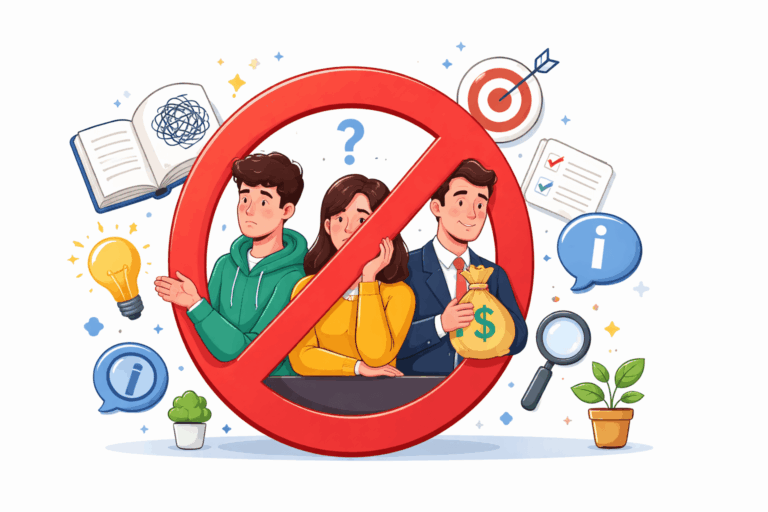
Who This Guide Is NOT For
This is NOT for:
- Influencers monetizing via brand deals
- Creators chasing viral reach
Businesses wanting social proof screenshots - Founders expecting instant sales from reels
- Anyone looking for “Instagram growth hacks”
This will NOT help you:
- Go viral
- Beat the algorithm
- Guarantee sales in 30 days
- Find secret tricks
Conclusion:
This doesn’t mean Instagram is useless. It means it must be treated as one part of a larger system — not the system itself. Sustainable growth comes from intent-driven targeting, conversion-focused content, proper tracking, and owned channels beyond the algorithm.
Followers are attention. Sales require intent, structure, and discipline. If Instagram is not producing revenue, don’t grow it faster. Fix it first.
Why Do Instagram Followers Do Not Translate Into Sales? : FAQ
01
No. Keep posting — but don’t treat it as your main sales engine unless your data proves it drives revenue.
02
No. They represent attention. But attention without buying intent becomes a costly illusion.
03
Ask whether they’re profitable. Follower growth is visible; margins are what actually matter.
04
With the right funnel and targeting, expect 60–90 days. If you depend on virality, results are unpredictable.
05
Not without fixing your funnel first. Ads amplify what’s working — and expose what’s broken.
References
About the Author

Vrunda Patil
Hello, my name is Vrunda Patil and I am a Social Media Marketing Specialist with over 6+ years of experience in creating result-driven and engaging social media strategies. I help businesses, startups, and personal brands grow their online presence across major social media platforms.I share practical insights on social media strategy, content creation, paid advertising, audience growth, engagement optimization, and brand positioning.


