
Table of Contents
ToggleHow Google Evaluates Website Quality Signals in 2026: A Practical Guide for Businesses
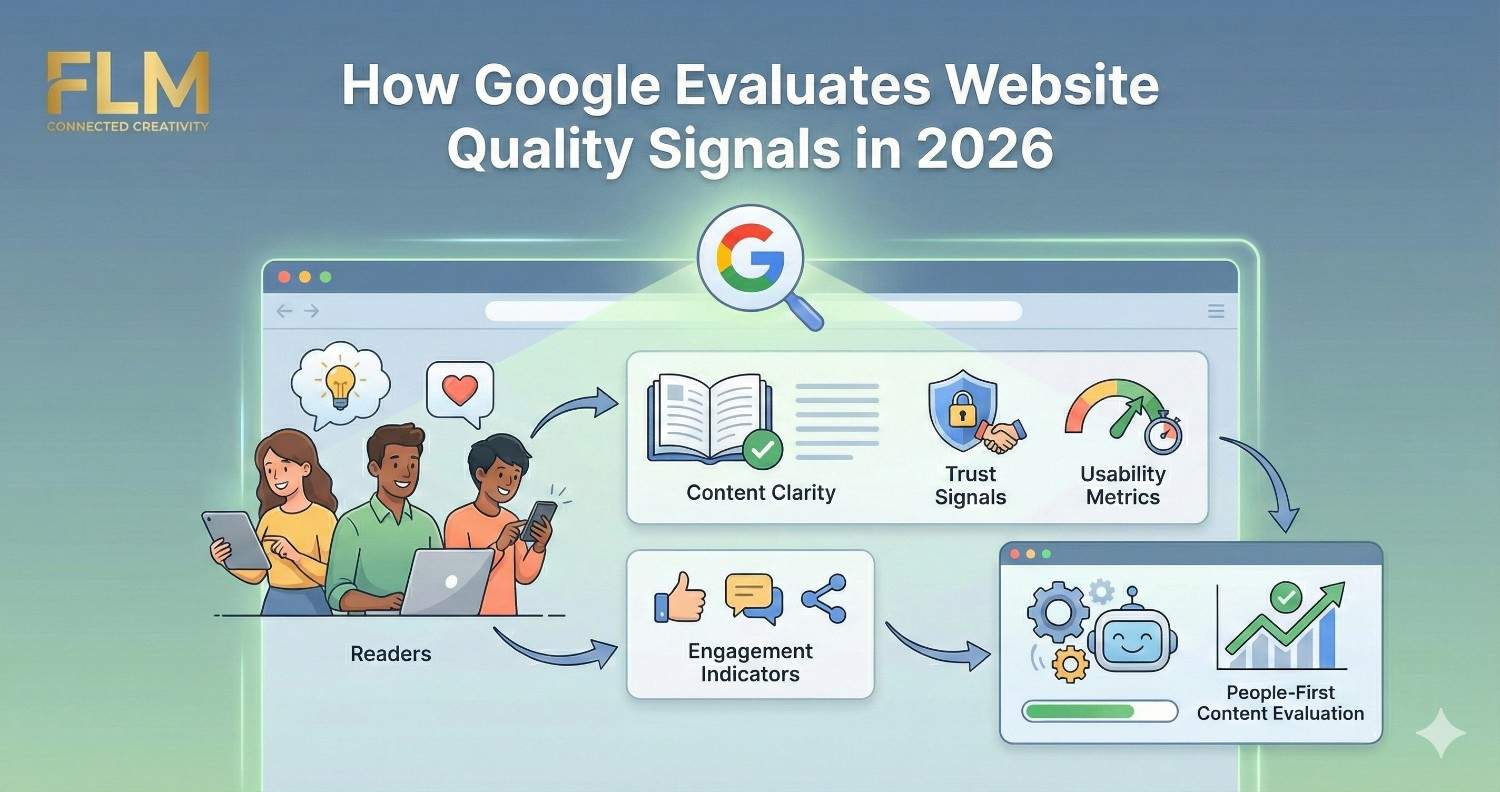
In 2026, ranking on Google is no longer about stuffing keywords or chasing backlinks. Search success now depends heavily on user experience (UX). Google measures how users interact with your website, combining speed, stability, security, and engagement metrics. For South African businesses, startups, and global companies competing in crowded online markets, understanding and optimizing page experience is no longer optional—it is a critical factor for SEO, conversions, and long-term growth.
From my experience working with over 50 businesses in South Africa and international markets, the companies that succeed online are those that treat page experience as part of their business strategy, not just a technical fix.
The future is all about digital, whether it is about marketing, production, sales, human resource or finance. Digital marketing is the future. Here, we will discuss what the future of digital marketing will be in Ahmedabad.
What Is Page Experience and Why It Matters

Page Experience is a holistic assessment of how users perceive interacting with a website. Google evaluates a range of signals to ensure your site is fast, stable, secure, and enjoyable for visitors.
Poor page experience can lead to:
High bounce rates
Visitors leave quickly because the content doesn’t meet their intent or isn’t clear. This signals low relevance to both users and search engines.
Low engagement
A few clicks, scrolls, or interactions indicate users aren’t finding value. Low engagement reduces trust and SEO performance.
Declining rankings
Dropping positions often mean content is outdated, unclear, or less authoritative than competitors. Regular updates and optimization are needed.
Lost conversions
Visitors may come but don’t take action due to confusion, poor UX, or missing trust signals. Clear guidance and strong CTAs recover lost opportunities.
Read More: Google Advertising

Key Components of Page Experience in 2026
Google evaluates page experience using Core Web Vitals, along with additional usability and security factors.
1. Largest Contentful Paint (LCP) – Loading Performance
Definition:
Measures how quickly the largest visible content element (hero image, main heading, or video) loads.
Benchmark:
2.5 seconds or less.
Practical Tips:
- Use fast, reliable hosting with CDNs.
- Compress images and adopt modern formats like WebP or AVIF.
- Minimize render-blocking scripts and CSS.
- Preload critical resources like hero images and fonts.
Real Example:
A South African real estate portal improved its LCP from 5s to 1.8s by compressing images, implementing lazy loading, and switching to a regional CDN. Result: organic traffic rose by 27% in three months.
2. First Input Delay (FID) – Interactivity
Definition:
Measures responsiveness, i.e., the time between a user interacting with the page (click, tap, or keypress) and the browser’s response.
Benchmark:
Less than 100 milliseconds.
Optimization Tips:
- Break long JavaScript tasks into smaller, asynchronous functions.
- Defer non-critical scripts.
- Optimize event listeners for speed.
Observation:
Many e-commerce stores lose customers because menus or “add to cart” buttons lag. Reducing FID can increase checkout completion rates by up to 15%.
3. Cumulative Layout Shift (CLS) – Visual Stability
Definition:
Tracks unexpected layout shifts while the page loads, such as buttons or images moving suddenly.
Benchmark:
CLS < 0.1
Practical Solutions:
- Specify width and height for images and videos.
- Reserve space for ads and dynamic elements.
- Avoid injecting content above visible content unexpectedly.
Case Study:
A healthcare service site replaced floating pop-ups with reserved ad spaces, dropping CLS from 0.35 to 0.05. User complaints about accidental clicks dropped dramatically.
4. Mobile Responsiveness
Definition:
Ensures the website adapts seamlessly across mobile devices.
Impact:
With mobile-first indexing, Google primarily evaluates the mobile version for ranking.
Best Practices:
Adopt responsive frameworks like Bootstrap or Tailwind CSS
Use modern frameworks to ensure layouts adapt seamlessly across all screen sizes. This saves development time and ensures consistency.
Optimize touch targets and font sizes
Make buttons, links, and text easy to tap and read on small screens. Improves usability and reduces user frustration.
Simplify navigation for mobile users
Minimize menus and steps to key actions. Clear, concise navigation enhances user experience and engagement.
Test regularly with Google’s Mobile-Friendly Test
Check pages for mobile issues frequently. Testing ensures continued performance, usability, and SEO compliance.
Insight:
Even visually appealing desktop sites fail in rankings if mobile UX is poor.
5. Safe & Secure Browsing
Definition:
Users expect sites free from malware, phishing, or misleading content. HTTPS is mandatory.
Impact:
Security boosts trust and is a minor ranking factor.
Tips:
- Install SSL certificates and renew them regularly.
- Conduct routine malware scans.
- Avoid deceptive pop-ups or download prompts.
6. Intrusive Interstitials
Definition:
Full-screen pop-ups that block content immediately after page load.
Impact:
Google penalizes sites where users cannot access content easily.
Optimization Tips:
- Use banners, slide-ins, or inline prompts instead.
- Avoid mobile pop-ups that obstruct content.
- Time subscription prompts after engagement.
Experience Insight:
Many businesses see conversion improvements by 10–20% simply by replacing intrusive interstitials with unobtrusive banners.

How Page Experience Directly Impacts SEO
Page experience works alongside traditional ranking factors like content relevance, backlinks, and authority.
When optimized:
Pages rank higher in search results
Optimized, relevant, and trustworthy content signals value to search engines, boosting visibility and organic traffic.
Bounce rates decrease
When content meets user intent and is easy to navigate, visitors stay longer and explore more pages.
User engagement increases
Clear structure, helpful information, and interactive elements encourage clicks, scrolling, and deeper interaction.
Conversion rates improve
Educated, confident users are more likely to take action. Clear CTAs and trust signals turn traffic into leads or sales.
Practical Example:
A South African online retailer optimized Core Web Vitals and reduced page load from 6s to 2.3s. Rankings for competitive product keywords rose by 12 positions on average, leading to a 35% revenue increase from organic search in two months.

Tools for Monitoring and Improving Page Experience
Google PageSpeed Insights:
LCP, FID, CLS diagnostics and recommendations
Google Search Console:
Core Web Vitals tracking across your site
Lighthouse (Chrome DevTools):
Performance, accessibility, SEO audits
WebPageTest:
Deep analysis of rendering performance
GTmetrix:
Visual reports and layout shift insights
Tip:rix:
Focus improvements on high-traffic, conversion-critical pages first for maximum ROI.

Step-by-Step Page Experience Optimization Plan
- Audit website with Core Web Vitals tools.
- Identify critical bottlenecks (loading, interactivity, layout shifts).
- Prioritize fixes for high-value pages.
- Optimize media files, scripts, and server response.
- Implement mobile-first, responsive designs.
- Monitor changes in real user metrics via analytics.
- Iterate continuously based on feedback and evolving Google standards.

Emerging Page Experience Trends in 2026
AI-driven UX optimization:
Automatic adjustments to layout, content loading, and speed.
Voice search-friendly pages:
Fast, structured content optimized for conversational queries.
Rich media integration:
Videos and interactive content that maintain CLS compliance.
Core Web Vitals evolution:
Google will emphasize user interactions and engagement even more.
Conclusion
In 2026, page experience is not optional—it’s a business-critical SEO factor. Companies that prioritize fast, stable, secure, and mobile-friendly websites consistently outperform competitors in search visibility, engagement, and conversions.
Treat every site improvement as an investment in customer trust and business growth. Poor UX costs revenue; good UX pays for itself many times over.


