
Performance usually declines gradually before a visible crash. Early signs include lower CTR, higher CPC, and reduced engagement. Identifying fatigue early allows for optimization before results and budgets suffer.
Table of Contents
ToggleHow is AI Changing Digital Marketing Strategies?
AI didn’t “arrive” in digital marketing overnight. It crept in quietly—first through ad platforms, then analytics, then content tools. Today, it decides who sees your brand, when they see it, and why they trust it.
I’ve worked with local service businesses, real estate brands, and regional companies that tried to “add AI” and saw zero results. Others used it correctly and doubled lead quality within months. The difference wasn’t the tools. It was how AI was applied to real buyer behavior.
This article explains how AI is truly reshaping digital marketing strategies, what most businesses get wrong, and how to use AI in a way that actually drives revenue—not vanity metrics.

The Real Shift: From Campaigns to Buyer Decisions
Traditional digital marketing focused on:
- Traffic volume
- Click-through rates
- Posting frequency
- Manual optimization
Modern AI-driven marketing focuses on:
- Buyer intent
- Decision timing
- Behavior patterns
- Trust signals before contact
Instead of asking, “How do we promote this?”
AI forces marketers to ask, “Why would this person choose us right now?”
That shift changes everything—from content structure to ad spend allocation.
How AI Understands Buyers Better Than Surveys Ever Did
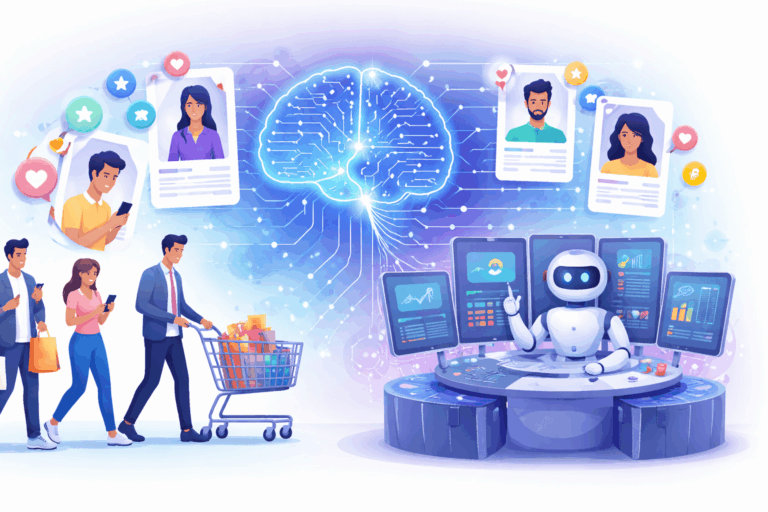
What AI Tracks That Humans Can’t (at Scale)
Scroll depth on property pages
How far users scroll shows whether the page content matches their intent. Shallow scroll depth often means key details aren’t visible or relevant early enough. Deeper scrolling usually indicates strong interest and information alignment.
Time spent comparing services
Longer comparison time suggests buyers are evaluating options seriously, not browsing casually. It signals high intent but also possible uncertainty. Clear differentiators and proof can help shorten decision time.
Repeated searches with slightly different wording
This behavior shows users refining their intent as they seek clarity or confirmation. They may understand the problem but not the best solution yet. Content that answers variations of the same question builds trust and captures these users.
Engagement drops before form submissions
When users disengage just before converting, it often points to friction or lack of confidence. Missing trust signals, unclear next steps, or form complexity can cause hesitation. Reducing friction improves conversion rates.
Voice search phrasing vs typed searches
Voice searches are more conversational and intent-driven than typed queries. They often include full questions or local qualifiers. Optimizing content for natural language helps capture these high-intent searches.
Real-World Example
A local real estate firm I consulted believed buyers cared most about price. AI behavior data revealed something else:
- Users spent more time on process explanation pages
- FAQ pages had higher conversion assists than listings
- Buyers abandoned forms when legal steps weren’t explained
We changed the strategy:
- Added step-by-step buying guides
- Used AI insights to restructure landing pages
- Retargeted users with educational ads, not discounts
To sum it all up, the digital marketing has become the breath of Ahmedabad companies.
AI and SEO: Why Rankings Alone Don’t Matter Anymore
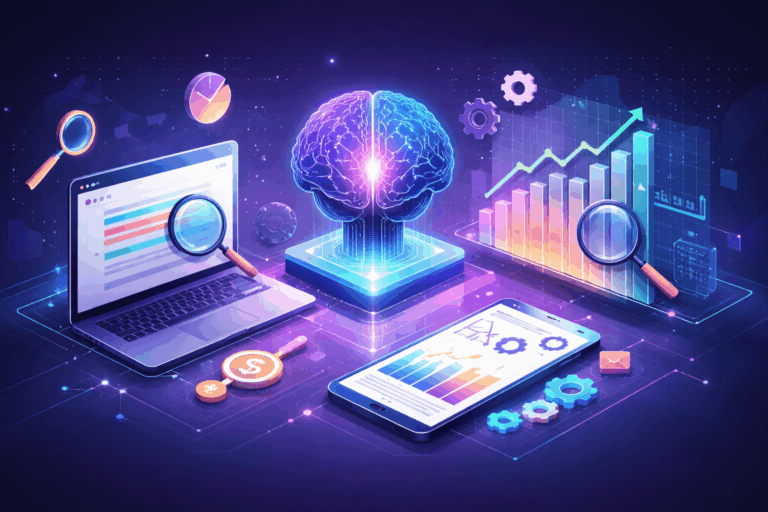
SEO has moved beyond keywords. AI-driven search rewards:
- Content depth
- Context relevance
- Real expertise
- Decision usefulness
How AI Is Reshaping SEO Strategy
- Identifies why users search, not just what they type
- Optimizes for conversational and voice-based queries
- Prioritizes pages that satisfy intent fully (not partially)
- Rewards brands cited and referenced across platforms
Practical SEO Shift You Must Make
Instead of: Writing 10 shallow blogs Do this:
Create 3–4 authority pages that answer:
- “Is this right for me?”
- “What can go wrong?”
- “How is this different locally?”
- “What should I check before deciding?”
Paid Advertising: AI as a Profit Protector, Not a Budget Burner
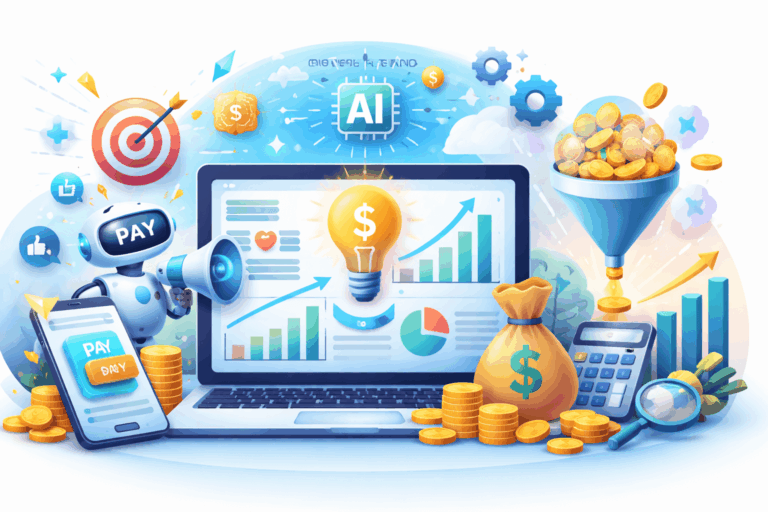
Platforms like Google and Meta already run on AI. The mistake businesses make is fighting the algorithm instead of feeding it the right signals.
What AI Optimizes Better Than Humans
Bid adjustments in real time
Real-time bid adjustments allow advertisers to respond instantly to changes in competition, demand, and user intent. Increasing or lowering bids based on performance signals helps maximize visibility without overspending. This keeps campaigns efficient and responsive.
Audience intent shifts
User intent can change due to timing, seasonality, or external factors. Monitoring intent shifts helps align ads with what buyers are actually looking for at that moment. Ads that adapt to intent changes stay relevant and convert better.
Ad fatigue detection
Ad fatigue occurs when the same audience repeatedly sees identical creatives. Performance drops as users begin to ignore the ads. Detecting fatigue early allows for creative refreshes before costs rise and engagement falls.
Cost leakage points
Cost leakage happens when ad spend goes toward low-quality clicks or irrelevant traffic. Poor targeting, broad keywords, or weak landing pages often cause this. Identifying and fixing leakage protects ROI and improves overall campaign efficiency.
Case Insight
A service business was spending heavily on “high-intent” keywords but getting poor-quality leads. AI data showed:
- Conversions improved when ads aligned with problem-awareness, not service terms
- Retargeting educational content reduced CPC by 31%
Lesson: AI rewards relevance, not aggressiveness.

Predictive Analytics: Stop Reacting, Start Planning
What AI Can Predict Accurately
Seasonal demand changes
Buyer interest fluctuates throughout the year based on timing, trends, and local factors. Recognizing these shifts helps you plan content, budgets, and campaigns in advance. Brands that align with seasonal demand capture attention when intent is highest.
Drop-off points in funnels
Drop-off points reveal where users lose interest or confidence during the journey. These moments often signal confusion, friction, or missing information. Fixing them improves conversions without increasing traffic.
Content topics that will gain traction
Traction comes from topics that match rising search intent and real buyer questions. Analyzing behavior, trends, and competitor gaps helps identify content with long-term value. The right topics attract qualified traffic, not just clicks.
Campaign fatigue before performance crashes
This allows:
- Smarter content calendars
- Better launch timing
- Lower-risk ad scaling

AI in Social Media: Engagement That Actually Leads Somewhere
AI doesn’t just measure likes—it identifies:
Emotional triggers
Content that taps into emotions—like trust, fear, joy, or pride—resonates more with audiences. Emotional triggers guide decisions and improve engagement, making your messaging more memorable and persuasive.
Content fatigue
Repeated exposure to the same topics or formats can tire audiences, lowering engagement and shareability. Recognizing fatigue helps refresh messaging, visuals, and formats to maintain interest and impact.
Platform-specific intent
User intent differs across platforms—what works on search may not work on social. Understanding platform-specific behavior ensures content aligns with expectations, increasing relevance and conversions.
Influencer authenticity
Audiences respond better when influencers feel genuine and trustworthy. Authentic recommendations drive credibility and action, whereas overly promotional content can erode trust and engagement.
Practical Use
- Double down on formats that drive site visits, not just views
- Adjust messaging tone per platform automatically
- Identify micro-influencers with real audience trust
What Competitors Miss: AI Is a Strategy Tool, Not a Shortcut
AI won’t save a weak business model. It amplifies whatever already exists. If your:
Offer is unclear
Visitors are unable to quickly understand what you do, who it’s for, or what problem you solve. The value proposition isn’t clearly communicated, and there’s no immediate reason to choose you over alternatives. This confusion creates hesitation and leads users to leave without taking action.
Messaging is generic
The content uses broad, common language that doesn’t clearly differentiate your brand. It talks in general terms instead of addressing specific buyer problems or situations. As a result, the message feels replaceable and fails to connect with the right audience.
Trust signals are weak
There is limited evidence to prove credibility or expertise. Key elements like testimonials, case studies, real results, or authority indicators are missing or not prominent. Without visible proof, potential buyers feel uncertain and delay reaching out.
Conclusion
AI is not replacing marketers. It’s replacing guesswork.
Businesses that win with AI:
- Understand buyer psychology
- Build authority before selling
- Use data to guide decisions
- Respect trust as a growth asset
Those who treat AI as a “tool stack” fall behind. If you want AI to work for your digital marketing strategy, start here: Solve real buyer problems clearly—and let AI scale that clarity. That’s how AI actually changes digital marketing.
How is AI Changing Digital Marketing Strategies?: FAQS
01
AI analyzes user behavior and intent to deliver more precise, personalized ads to the right audience at the right time.
02
AI helps generate, optimize, and personalize content based on search trends, user engagement, and performance data.
03
AI tracks users across touchpoints to predict intent shifts and optimize messaging at each stage of the funnel.
04
AI automates bidding, detects ad fatigue, and reallocates budgets in real time to maximize ROI.
05
AI-driven search focuses on intent, context, and experience, pushing brands to create deeper, more helpful content


