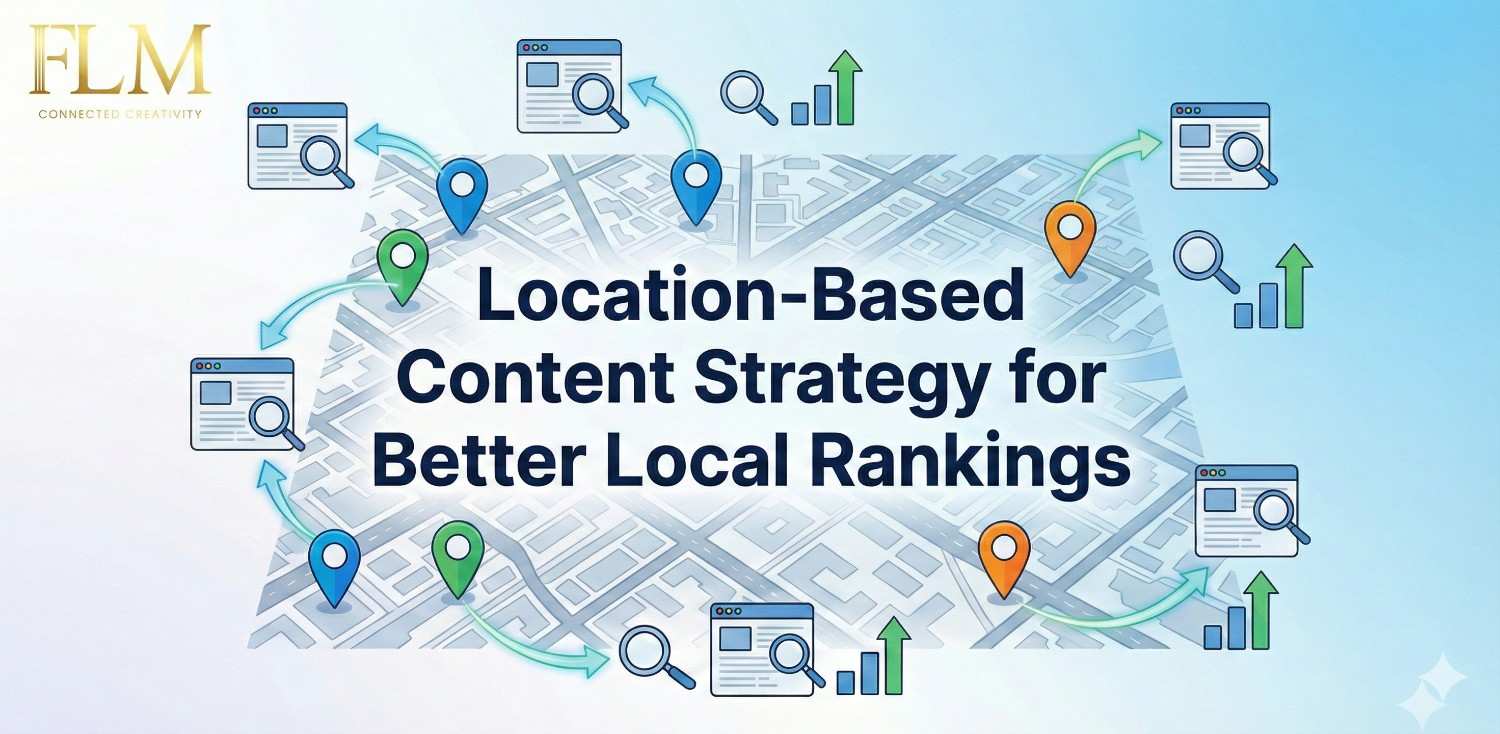
Location-Based Content Strategy for Better Local Rankings

Location-Based Content Strategy for Better Local Rankings

When someone searches “near me”, they’re not researching—they’re ready to act.
In my experience working with local service businesses, Google Maps is where buying decisions are finalized, not your homepage.

Ranking in the top 3 local results isn’t about tricks. It’s about sending Google clear trust, relevance, and engagement signals—consistently.

This guide breaks down what actually works on the ground.

Location-Based Content Strategy for Better Local Rankings

Why Google Maps Rankings Decide Local Revenue

From real campaign data I’ve handled:

  • Maps traffic converts 2–3× higher than organic blog traffic
  • Most calls happen within 24 hours of a Maps impression
  • Businesses outside the top 3 lose visibility—even with great websites
Location-Based Content Strategy for Better Local Rankings

Step 1: Fix the #1 Mistake Businesses Make

Most Google Business Profiles fail because:

Wrong Primary Category

Your business is listed under an incorrect main category, causing Google to show you for irrelevant searches and lowering visibility.

Generic Descriptions

Your business description is too vague and doesn’t clearly explain what you offer, who you serve, or why customers should choose you.

No Service-Area Clarity

Your profile doesn’t clearly define the locations you serve, making it harder for Google to match your business with local searches.

What works in practice:

  • Choose one revenue-driving primary category
  • Add service + area phrasing naturally (not keyword stuffing)
  • Upload real photos: office, staff, work—not stock

Read More: Social Media Marketing Service in Ahmedabad

Location-Based Content Strategy for Better Local Rankings

Step 2: Location Pages That Support Maps

Instead of one generic service page, high-ranking businesses use:

  • One core service page
  • Micro-location support pages

Example:

“Digital Marketing Services in South Ahmedabad”
“SEO Agency Near Prahlad Nagar”

Each page answers:

Who this service is for

 It’s designed for local buyers or businesses who need practical, on-ground help—not generic advice.

What problems locals face

Locals struggle with trust gaps, pricing confusion, regulatory nuances, and misinformation that outsiders often miss.

Why proximity matters

Being nearby means better market understanding, faster response, real site experience, and more accountable support.

Location-Based Content Strategy for Better Local Rankings

Step 3: Reviews That Move Rankings

From hands-on audits, I’ve seen:

30 reviews with keywords + responses outrank 150 silent reviews

Proven review strategy:

  • Ask after successful delivery, not randomly
  • Encourage customers to mention service + area
  • Always respond—Google tracks owner activity
Location-Based Content Strategy for Better Local Rankings

Step 4: Local Links That Google Actually Values

Forget spam directories.

What works:

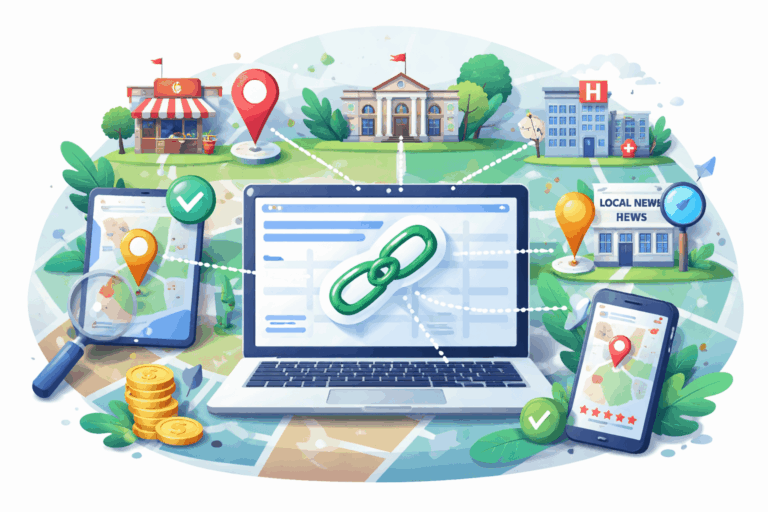
Local news mentions

 Indicate public recognition and third-party validation beyond your own website.

Event sponsorship pages

 Show community involvement and brand visibility where real people engage.

Chamber of commerce links

 Add institutional trust and confirm the business is legitimate and established.

Local business collaborations

 Demonstrate peer trust, relevance, and strong local network credibility.

These links tell Google:

This business is part of the local economy.

Location-Based Content Strategy for Better Local Rankings

Step 5: Engagement Signals

Google watches what users do:

Calls

The number of people who called your business directly from your Google Business Profile.

Direction Requests

How many users asked for directions to your business location via Google Maps.

Website Clicks

The number of visitors who clicked through to your website from your Google Business Profile.

To improve this:

  • Add clear CTAs in GBP
  • Post weekly updates
  • Use offers & FAQs inside GBP
Location-Based Content Strategy for Better Local Rankings

Real Example

A local service business stuck at position #9:

  • Fixed primary category
  • Added 2 service-area pages
  • Generated 15 quality reviews
  • Earned 3 local backlinks

Result:

Top 3 Maps ranking in 6 weeks, calls doubled.  No hacks. Just alignment.

What Most Competitors Miss

Google Maps doesn’t rank content. It ranks confidence + consistency + proximity signals.

Websites support Maps—but GBP behavior drives results.

Conclusion

Location-Based Content Strategy for Better Local Rankings

Google Maps rankings are won offline + online together.
Businesses that treat local SEO as a sales system—not a checklist—win consistently.

If your goal is calls, visits, and real customers, build your location strategy around trust signals, not just keywords.

Location-Based Content Strategy for Better Local Rankings - FAQs

Q1. How long does Google Maps ranking improvement take?

Typically 4–8 weeks if foundational issues are fixed correctly.

Q2. Do keywords in business names help?

Only if it’s your legal name. Forced keywords risk suspension.

Q3. Are location blogs useful?

Only if they support service intent—not generic city content.

Q4. Can a new business rank in Maps?

Yes. Reviews, category accuracy, and engagement matter more than age.

References

About the Author

Mitesh bahi

Mitesh Vyas

Hi, I’m Mitesh Vyas, an SEO Specialist with 7+ years of hands-on experience in helping businesses grow through organic search. I focus on creating SEO strategies that not only rank but also drive real business growth. I specialize in Technical SEO, On-Page Optimization, High-Quality Link Building, and Local SEO strategies that drive measurable rankings and revenue. I have worked with startups, local businesses, and agencies to improve search visibility, increase website traffic, and generate qualified leads using Google-compliant, white-hat SEO practices.
Leave a Comment

Your email address will not be published. Required fields are marked *