
Webinars with open Q&A create high-intent engagement by directly addressing audience objections and doubts. They work best when focused on solving one clear problem rather than delivering a sales presentation.
Table of Contents
ToggleStep-by-Step Paid Traffic Funnel Optimization
Most funnels don’t fail because the offer is weak.They fail because the wrong traffic shows up — or no traffic shows up at all.
I’ve audited dozens of funnels across service businesses, consultants, course creators, and local brands. The pattern is consistent: founders rush to ads before trust exists. Paid traffic then exposes weak messaging, unclear positioning, and shallow audience understanding.
This guide shows how to build a traffic engine that compounds, not a short‑term spike that disappears when ad spend stops. No hacks. No recycled Twitter advice. Just systems that actually work
The Real Funnel Problem Nobody Talks About
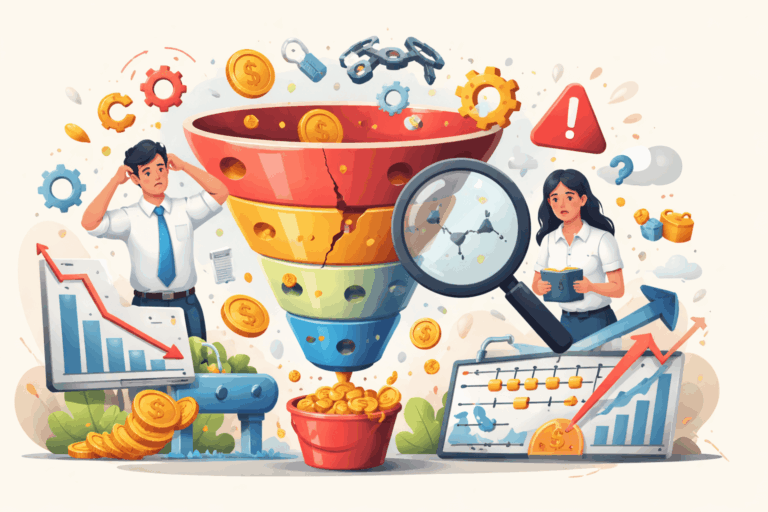
Most marketers ask:“How do I drive more traffic to my funnel?” The better question is: “Why would this audience trust me enough to enter my funnel?”
Traffic is not at the top of the funnel. Trust is.
Discover You Casually
Most people don’t arrive with the intent to buy. They discover you through a shared post, a short video, a comment, or a search result while doing something else. This first touch is accidental and low-attention. If your message feels relevant and non-salesy, they remember you and move on—without clicking yet.
Observe Silently for Weeks or Months
After discovery, buyers usually watch from a distance. They read your posts, check your profile, scan comments, and notice how consistently you show up. No likes, no replies—just quiet evaluation. This is where trust is being built behind the scenes, even though it feels like nothing is happening.
Only Then Click
The click is not the start of the journey—it’s the result of it. When someone finally clicks, they’re usually warm, informed, and intentional. The decision feels safe because the trust was built earlier. This is why high-quality traffic often converts with very little persuasion.
The Creator‑Led Funnel Model (What Actually Converts)
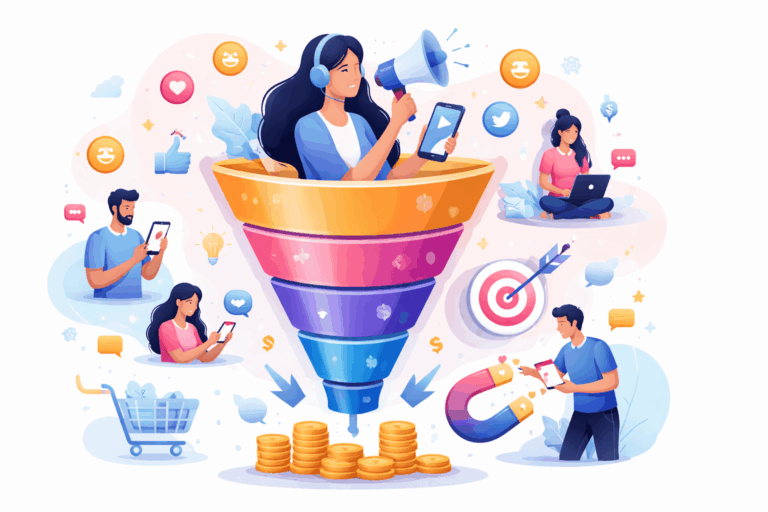
After studying high‑performing brands and running my own experiments, the most reliable funnel follows four phases:
Visibility Without Pressure
This stage is about getting discovered without pushing for a sale. Your content should appear where your ideal audience already spends time, offering clarity instead of persuasion. There’s no urgency, no aggressive CTA, and no pressure to convert. The only goal is familiarity and relevance. When done right, people remember you without feeling marketed to.
Repeated Value Exposure
Trust is created through consistent, helpful exposure over time. When prospects repeatedly see your insights, explanations, and breakdowns, your credibility compounds. Each interaction builds confidence in your thinking and approach. Over weeks or months, this steady value makes you the obvious choice when they’re ready to act.
Relationship Signals (Comments, Replies, DMs)
Engagement is a strong indicator of buying intent, even when no purchase happens yet. Comments, replies, and direct messages show that people are comfortable interacting with you. These conversations lower psychological resistance and build personal connections. In many funnels, this stage does more to influence decisions than the sales page itself.
Contextual Conversion
Conversion happens most effectively when it aligns naturally with the buyer’s journey. Instead of forcing an offer, you present it at the moment it logically solves a problem they already recognize. The context makes the decision feel safe and obvious. At this point, selling feels like guidance—not persuasion.

Traffic Channels That Build Trust and Compound Over Time (Social + Search + Website)
1. Live Audio & Video (High Trust, Low Production)
What Works Best Today
X (Twitter) Spaces
X Spaces allow real-time, audio-based conversations where people hear your thinking, not just your words. They build fast trust by enabling live discussion, questions, and community interaction without heavy production.
LinkedIn Live Sessions
LinkedIn Live lets you demonstrate expertise in front of a professional audience while encouraging real-time comments and reactions. Consistent sessions help establish authority and keep your brand top of mind for decision-makers.
Live Webinars with Open Q&A
Why They Convert Better
Real-time questions expose real objections
Live questions reveal what prospects are actually confused, worried, or skeptical about. These objections often never appear in surveys or analytics but strongly influence buying decisions.
Voice creates parasocial trust
Hearing your voice builds familiarity and emotional connection faster than text alone. It humanizes your brand and helps people feel like they already know you.
Replays keep working for weeks
Recorded sessions continue attracting new listeners long after the live event ends. They act as evergreen trust assets that drive warm traffic without additional effort.
2. Short‑Form Video (Discovery Engine)
Platforms That Matter
YouTube Shorts (Search + Feed)
YouTube Shorts benefit from both algorithmic discovery and Google search visibility. They attract intent-based viewers while continuing to generate traffic long after publishing.
TikTok (Behavioral Discovery)
TikTok surfaces content based on user behavior rather than follower count. This makes it ideal for reaching new audiences who already show interest in related problems.
Instagram Reels (Retargeting Support)
Instagram Reels work best as reinforcement for audiences who have already seen your content elsewhere. They help maintain visibility and increase conversion readiness through repeated exposure.
Content That Actually Pulls Leads
“Why X is failing” breakdowns
These breakdowns challenge common assumptions and grab attention by addressing frustrations buyers already feel. They position you as a problem-solver who understands the root cause, not just the symptoms.
Process walkthroughs
Process walkthroughs show how something actually works, removing uncertainty and confusion. Transparency builds confidence and helps buyers visualize success before they commit.
Mistakes Buyers Don’t Realize They’re Making
This content highlights blind spots that quietly block results. By revealing what buyers overlook, you shift perception and establish authority without directly selling.
3. Authority Newsletters (Platform‑Owned Audiences)
Why Platform Newsletters Work
Built-in Notifications
Platform newsletters automatically notify subscribers when new content is published. This ensures immediate visibility without relying on external email open rates.
Algorithmic Distribution
Platforms actively push newsletters to users who engage with similar topics. This expands reach beyond your existing audience and brings in new, relevant subscribers.
SEO Indexing
Platforms actively push newsletters to users who engage with similar topics. This expands reach beyond your existing audience and brings in new, relevant subscribers.
Lower Friction Subscription
Subscribing takes one click, with no forms or confirmations. This ease significantly increases opt-ins, especially from first-time readers.
Execution Framework
One Theme Only (No Variety Blogs)
Focusing on a single core theme trains readers and search engines to understand exactly what you’re known for. This clarity compounds authority faster than publishing on unrelated topics.
Consistent Publishing Rhythm
Publishing on a predictable schedule builds trust and reader habit. Consistency matters more than frequency because it signals reliability over time.
Repeatable Sections
Publishing on a predictable schedule builds trust and reader habit. Consistency matters more than frequency because it signals reliability over time.
4. SEO for Buyers, Not Algorithms
Buyer‑Focused SEO Strategy
Target Comparison and Decision Keywords
Focus on keywords buyers search when they’re close to choosing, such as comparisons or “best vs” queries. These attract fewer visitors but far higher-intent traffic.
Answer Objections Directly
Address common doubts upfront instead of avoiding them. This removes friction and builds trust before the reader even considers reaching out.
Show Trade-Offs Honestly
Be transparent about pros and cons rather than overselling. Honest trade-offs position you as an advisor, not a salesperson.
5. Challenges That Create Momentum
What Fails
Generic motivation challenges
Challenges that focus only on “staying motivated” rarely engage participants. Without solving a specific problem, they fail to create meaningful progress or traffic impact.
Over-Engineered Dashboards
Complex tracking systems overwhelm participants and reduce completion rates. Simple, transparent progress tracking keeps people engaged and accountable.
Long Timelines
Extended challenges create drop-offs and fatigue. Short, focused durations deliver quick wins, build confidence, and drive higher conversion into your funnel.
What Works
5–10 day duration
Short challenges create momentum and prevent participant fatigue. Quick wins keep motivation high and make it easier for people to commit.
Clear Daily Outcome
Each day should have a simple, actionable goal. Clear outcomes reduce confusion and ensure participants feel progress every step of the way.
Public Progress Sharing
Encouraging participants to share their daily results increases visibility for your challenge. It also inspires others to join and creates social proof.
Community Accountability
A supportive community keeps participants engaged and motivated. Peer encouragement strengthens commitment and increases the likelihood of funnel conversions.
How to Choose the Right Channels (Decision Framework)
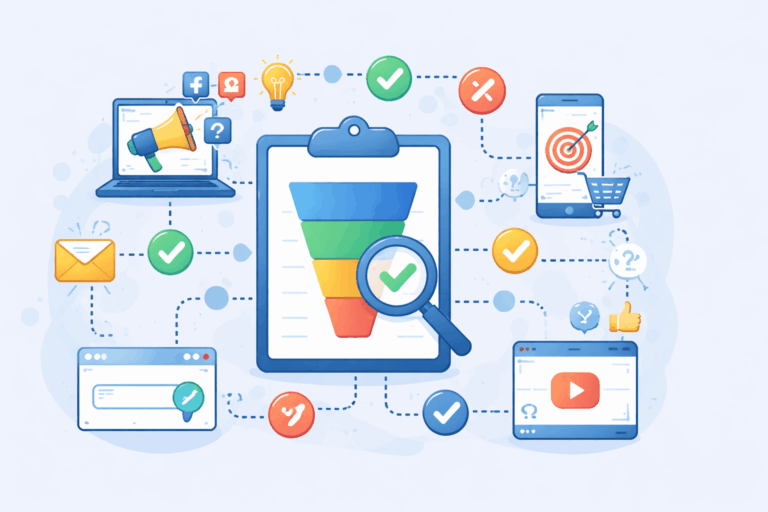
Ask yourself:
Where Does My Buyer Already Learn?
Identify the platforms, websites, or communities where your target audience already consumes content. Focusing on existing habits ensures your efforts meet them where they pay attention, rather than forcing traffic to unfamiliar channels. This increases the likelihood of engagement and builds relevance.
Can I Show Expertise Consistently Here?
Pick channels where you can regularly demonstrate knowledge without burning out. Consistency signals reliability and positions you as a trusted authority over time, rather than a one-off source. Sustained expertise helps your audience recognize your value before entering the funnel.
Does This Channel Support Trust, Not Just Reach?
Reach alone doesn’t convert; trust does. Choose platforms that allow meaningful interactions—comments, replies, messages, or repeat content consumption. Channels that encourage relationship-building make prospects more likely to move from awareness to active consideration.
Conclusion
Funnels don’t grow from traffic tactics. They grow from earned attention.
If you focus on:
- Helping before selling
- Teaching before pitching
- Showing before promising
Traffic becomes a by‑product. Build trust first.The funnel will follow.
Step-by-Step Paid Traffic Funnel Optimization: FAQs
01
t’s the process of systematically improving each stage of a paid funnel—from ad targeting to conversion—to reduce wasted spend and increase ROI.
02
Paid traffic usually fails due to poor audience targeting, weak messaging, slow landing pages, or sending cold users directly to high-commitment offers.
03
Always start with the landing page and offer clarity before scaling ads, as traffic amplifies existing funnel weaknesses.
04
Initial improvements can appear within 7–14 days, but stable performance typically requires 30–60 days of continuous testing and refinement.
05
Click-through rate, cost per lead, conversion rate, and post-click engagement are more important than impressions or reach alone.

