
Table of Contents
ToggleHow to Generate Local Leads Without Ads
Most local businesses come to me after burning money on ads.
They all say the same thing:
“Leads come when ads are running… and disappear the moment we stop.”
That’s not lead generation.
That’s renting attention.
If you want predictable local leads without ads, you need assets—not campaigns.
This guide explains how local businesses actually build lead flow that survives ad pauses, budget cuts, and algorithm changes—using methods I’ve seen work across service businesses, consultants, and local professionals.
The Real Problem With Paid Ads
Ads aren’t evil.
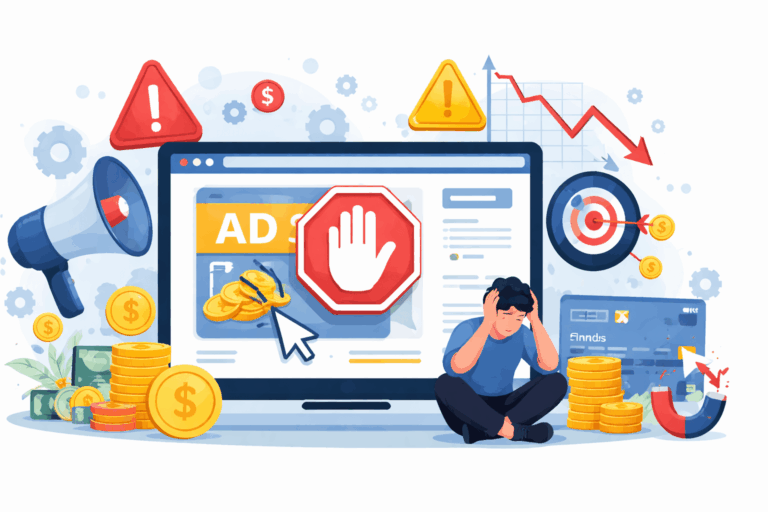
But for local businesses, they create three hidden problems:
- Zero compounding effect – Yesterday’s spend gives zero benefit today
- Low buyer trust – People click ads, but don’t trust them
Cost pressure – As competition rises, margins fall
In contrast, organic lead systems:
Build trust before contact
Potential customers research before reaching out. Helpful content, reviews, and local proof build confidence so prospects already trust you before the first call or visit.
Get stronger over time
Unlike short-term campaigns, organic strategies improve with consistency. Rankings, authority, and brand recognition grow month after month, delivering better results over time.
Lower cost per lead every month
As visibility and trust increase, you rely less on paid ads. This steadily reduces your cost per lead while improving lead quality and conversion rates.
Read More:- Seo vs Google ads for small business in Ahmedabad

Step 1: Build One “Evergreen Entry Point”
Most businesses publish content like this:
Promotional posts
Content that focuses only on selling often gets ignored. Audiences scroll past promotions unless there’s clear value or a strong reason to engage.
Service descriptions
Basic service explanations don’t answer real customer questions. Without context, proof, or outcomes, they fail to build trust or drive inquiries.
Generic tips
Common tips found everywhere add little value. When content isn’t specific or experience-based, it rarely attracts serious or high-intent leads.
What Actually Works
Examples:
“Best areas to buy property in Ahmedabad”
Buyers search this to compare locations, budgets, and future growth. Clear insights help them shortlist areas before contacting a broker or builder.
Cost of interior design for 3BHK
Homeowners want realistic pricing, not estimates. Detailed cost breakdowns set expectations and filter serious inquiries early.
How to choose the right tax consultant
People look for trust, experience, and reliability. Practical selection criteria help users make confident decisions before hiring.
How to Execute (Step-by-Step)
- Identify the decision-stage question your buyers ask
- Create one deep, practical guide answering it fully
Include:
Mistakes buyers make
Many buyers rush decisions without proper research. Highlighting common mistakes helps them avoid losses and make smarter, more confident choices.
Price expectations
Unclear pricing leads to disappointment and mistrust. Setting realistic price expectations prepares buyers for actual market conditions.
Comparison options
Buyers want to evaluate alternatives before deciding. Clear comparisons help them understand differences in value, cost, and long-term benefits.
When not to buy
Sometimes the best decision is to wait. Explaining when not to buy builds credibility and positions you as a trusted advisor, not just a seller.
This type of content:
Filters serious buyers
Educational content qualifies prospects automatically. Only buyers with real intent move forward, saving time and reducing low-quality inquiries.
Builds authority instantly
When you share expert insights and real-world guidance, prospects see you as a trusted professional from the first interaction.
Attracts leads for years
Evergreen content continues to rank and generate inquiries long after publishing, creating a long-term, compounding lead source.
My experience:
One well-written decision guide often outperforms 50 short blogs combined.
Step 2: Turn Your Website Into a “Conversation Starter”
Most local websites fail for one reason:
They ask for commitment before trust exists.
“Contact us” is not a strategy.
Replace Hard CTAs With Soft Commitments
Instead of:
Get a Quote
Use:
- Check if this is right for you
- Get a local cost breakdown
- See real example
High-Converting Website Elements
One clear page purpose
Each page should serve a single goal, not multiple agendas. Clear intent helps visitors understand what to do next without confusion.
One main CTA per page
Too many CTAs dilute action. A single, focused CTA improves conversions by guiding users toward one clear step.
Simple lead forms (name + phone/email)
Short forms reduce friction and increase submissions. Asking only essential details encourages more users to take action.
Context-based CTAs (not generic)
CTAs should match user intent and content context. Relevant CTAs feel helpful, not salesy, and convert better than generic buttons.
Real-world result:
We’ve seen conversion rates jump simply by changing what the CTA offers—not the design.
Step 3: Local SEO That Actually Brings Buyers (Not Just Traffic)
Local SEO fails when businesses treat it as a checklist.
Ranking alone doesn’t generate leads.
Buyer intent does.
What to Focus On Instead
Service + location keywords with buying intent
These searches come from users ready to hire, not just research. Targeting them brings highly qualified local leads who are close to making a decision.
Comparison and “best option” searches
Users searching comparisons are evaluating final choices. Ranking for these terms positions your brand at the decision stage of the buyer journey.
Problem-based searches
People search when they face a specific issue. Content that solves real problems attracts urgent, high-intent leads and builds instant trust.
Examples:
- “Interior designer for 2BHK Ahmedabad”
- “Commercial property consultant near me”
- “Digital marketing agency for doctors”
Execution Tips
One dedicated page per service
Each service deserves its own focused page. This improves search relevance, clarity for users, and higher conversion rates.
Real photos, real case examples
Authentic visuals and real results build credibility instantly. They prove experience and reduce hesitation before contact.
Location signals naturally added
Local relevance should feel organic, not forced. Natural mentions of areas, projects, and clients strengthen local rankings and trust.
Read More:- How to Choose a Best Digital Marketing Agency in Ahmedabad
Reviews embedded, not hidden
Visible reviews reinforce confidence at the right moment. When social proof is easy to see, users are more likely to convert.
Step 4: Use Social Platforms as Trust Builders, Not Lead Sources
The Right Way to Use Social Media
Share client scenarios (without selling)
Real client situations make content relatable and credible. When you explain outcomes without pushing a sale, trust builds naturally.
Break down real decisions
Walking through actual decision-making helps prospects think clearly. It shows how experts evaluate options, risks, and trade-offs.
Explain mistakes you see daily
Highlighting common mistakes positions you as experienced and honest. It helps readers avoid costly errors before they reach out.
Educate before pitching
Education creates confidence and authority. When prospects feel informed, they’re more open to starting a conversation.
On platforms like LinkedIn or Facebook:
- Comment more than you post
- Answer questions publicly
- Become “that expert” in your niche
Step 5: Referral Systems That Don’t Feel Awkward
Most businesses say:
- Referrals just happen.
- That’s lazy thinking.
A Simple Referral Engine
- Identify who already trusts you: Past clients, partners, and repeat customers are your strongest advocates. They already trust your work and are most likely to refer you.
- Give them a reason + reminder: People often forget to refer, not because they won’t, but because they aren’t prompted. A simple reminder plus clear value makes referrals natural.
- Make referrals easy (not formal)?: Referrals shouldn’t feel like paperwork. Casual sharing links, messages, or simple introductions increase referral participation.
Example:
- “If you know someone facing X problem, feel free to connect us.”
- Follow up with results → reinforces behavior
Referrals convert higher because trust is transferred, not earned from scratch.
Step 6: Email That Nurtures, Not Spams
What Buyers Actually Respond To
Personal experiences
Sharing real experiences shows you’ve been in the field, not just read about it. It builds authenticity and helps readers relate to your advice.
Decision guidance
Clear guidance reduces confusion during important decisions. When people understand what to choose and why, they move forward with confidence.
Honest opinions
Transparent opinions set you apart from generic advice. Being honest—even when it means saying “no”—builds long-term trust.
Clear next steps
Readers want to know what to do after learning. Simple, logical next steps turn understanding into action without pressure.
Simple Email Structure
- Welcome email explaining how you work
- Educational emails solving one problem at a time
- Occasional invitation to talk
Step 7: Repurpose Once, Benefit Everywhere
One strong piece of content can become:
- Blog article
- LinkedIn post
- WhatsApp message
- Email topic
- Sales explanation

A Real Example
A local service business:
- One strong decision-focused guide
- Local SEO optimization
- Clear website CTAs
- Consistent trust-based content
Result:
- Organic enquiries every week
- Lower dependency on ads
- Better-qualified leads
- Shorter sales cycles
Conclusion:
If you want local leads without ads, stop asking:
“How do I get more traffic?”
Start asking:
“What does my buyer need to feel confident enough to contact me?”
Solve that, and leads follow.
Yes, by building evergreen content, local SEO assets, and trust-based systems that attract buyers even when ads are paused.
Ads don’t compound, trust is low, and costs rise over time—once spending stops, leads disappear instantly.
It’s a decision-focused guide answering what buyers search before contacting a provider, not promotional content.
Content that explains pricing, comparisons, mistakes, and when not to buy filters serious buyers automatically.
As trust, rankings, and visibility grow, dependency on ads drops and lead quality improves month after month.
References
About the Author