
Table of Contents
ToggleDigital Marketing For Restaurants In Ahmedabad
Last month, I audited a café in Ahmedabad spending ₹40,000/month on Instagram ads.
They had:
- 18K followers
- Reels hitting 20–30K views
- “Good engagement” (as per their agency)
But on a Saturday night… 6 tables were empty. No waiting. No rush. No repeat customers. At the same time, another restaurant I worked with had:
- Barely 3K followers
- No viral content
- Almost zero ad spend
But they had a 20–30 minute wait on weekends. That gap is not luck. It’s clear. In my experience auditing restaurant marketing in Ahmedabad, most owners are not failing because they aren’t doing marketing.
They’re failing because:
- They’re doing the wrong kind of marketing
- They’re measuring the wrong things
- And worst of all — they’re trusting the wrong people
Most digital marketing blogs won’t tell you this.
They’ll push:
- “Post consistently”
- “Run ads”
- “Collaborate with influencers”
But none of that answers the only question that matters: “Will this bring actual customers and profit?”
This guide will.
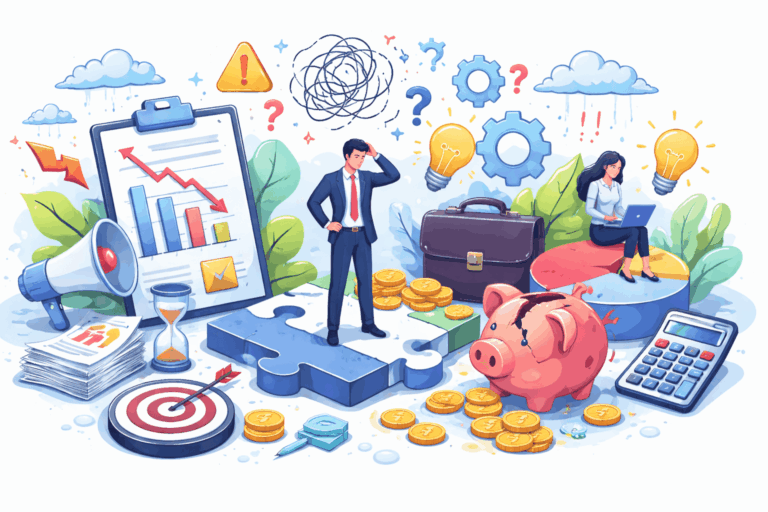
REAL BUSINESS PROBLEMS
1. Over-dependence on Zomato/Swiggy
I’ve seen restaurants doing ₹8–10 lakh/month on delivery.
Sounds great… until you check:
- 25–35% commission
- Heavy discounting
- Packaging costs
Net margin? Almost nothing.
Mistake: Thinking high order volume = good business
Reality: You’re building their platform, not your brand
2. Fake Instagram Growth
Ahmedabad café owners love Instagram.
But here’s the truth:
- Followers ≠ customers
- Reach ≠ revenue
- Viral ≠ profitable
I’ve seen:
- 50K followers, empty weekdays
- Reel views from outside Gujarat
- Audience = students who never visit
You’re entertaining people, not converting them.
3. Zero Repeat Customer Strategy
Most restaurants focus only on:
- Getting new customers
- Running offers
But ignore:
- WhatsApp database
- Loyalty
- Feedback loops
Result: Every month feels like starting from zero.
4. Poor Google Presence (Biggest Miss)
This is where most Ahmedabad restaurants lose real money.
I’ve audited listings with:
- Wrong timings
- No photos
- 2.9 rating ignored
- Zero review responses
Meanwhile, customers: Search → “best café near me” → decide in 10 seconds
If you’re not visible here, you don’t exist.
5. Discount-Driven Sales Killing Margins
“20% off”, “Buy 1 Get 1”, “Flat ₹100 off”
Short-term spike → long-term damage
You attract:
- Price-sensitive customers
- No loyalty
- No brand value
6. Wrong Targeting in Ads
Typical agency setup:
- Broad targeting
- No radius control
- No intent filtering
So your ad is shown to:
- People 15–20 km away
- People not interested in dining
- People who never convert
Money burns silently.
7. Segment Differences (Important)
Not all restaurants should market the same way:
Cafés (Ahmedabad reality):
- Young crowd, hangout-driven
- Instagram helps, but only for awareness
- Location + vibe matters more
Fine Dining:
- Family decision
- Trust + reviews > reels
- Google + word-of-mouth critical
Cloud Kitchens:
- Platform-dependent initially
- Must build direct ordering ASAP
- Ads only work if unit economics are clear
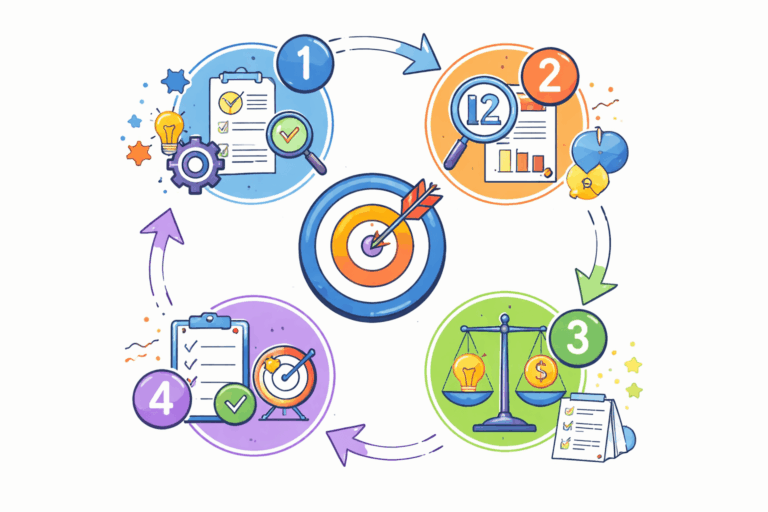
STEP-BY-STEP DECISION FRAMEWORK
This is how I evaluate whether a restaurant should even do digital marketing.
Step 1: Business & Revenue Clarity
What to do
Decide your primary revenue driver:
- Dine-in
- Delivery
- Takeaway
Why it matters
Each needs a different marketing system.
Mistake to avoid
Trying to do everything at once.
Pro tip
If dine-in is your focus → prioritize Google + local discovery, not Instagram.
Step 2: Channel Selection
What to do
Pick channels based on intent, not trend.
- Google (Maps + Reviews) → High intent
- Instagram → Awareness only
- Zomato/Swiggy → Distribution
- Ads → Amplification
- WhatsApp → Retention
Why it matters
Wrong channel = wasted money.
Mistake to avoid
Starting with Instagram ads before fixing Google presence.
Pro tip
If your Google rating is below 4.2, don’t spend on ads yet.
Step 3: Budget & ROI Validation
What to do
Think like this:
- Cost per table acquired
- Cost per order
- Repeat rate
Why it matters
Vanity metrics hide losses.
Mistake to avoid
Spending ₹30K/month without knowing the return.
Pro tip
If 1 new customer costs ₹300 to acquire, but spends ₹250 → you’re losing money.
Step 4: Agency / Freelancer Evaluation
What to do
Ask:
- How will you increase footfall?
- How do you track conversions?
Why it matters
Most agencies are content creators, not growth partners.
Mistake to avoid
- Only talking about reels
- Showing reach & impressions
- No ROI discussion
Pro tip
If they don’t talk about revenue → walk away.
Step 5: Tracking & Attribution
What to do
Track:
- Calls from Google
- Direction clicks
- Table reservations
- Repeat visits
Why it matters
Without tracking, everything feels like “working”.
Mistake to avoid
Relying only on Instagram insights.
Step 6: Optimization & Scaling
What to do
Before scaling ads, fix the fundamentals that directly impact conversions. Ensure your listing has strong reviews, clear offers, updated photos, and accurate information so users trust your business. Your landing or ordering experience should be smooth, fast, and easy to act on. Ads don’t fix weak systems—they only amplify what’s already working or broken.
Mistake to avoid
Marketing amplifies problems too.

REAL CASE STUDIES
In real scenarios, most restaurants don’t struggle with visibility—they struggle with converting that visibility into actual customers. Many businesses see engagement on social media or listings but fail to generate consistent footfall or orders due to weak fundamentals and unclear positioning. This is where a focused approach to digital marketing for restaurants in Ahmedabad becomes critical, as it connects local intent with real business outcomes instead of vanity metrics.
Case 1: Ahmedabad Café (Casual Dining)
- Budget: ₹25K/month
- Channels: Instagram + Zomato
Problem:
- High reach, low footfall
- No weekday customers
What we changed:
- Fixed Google listing
- Improved reviews (3.8 → 4.4)
- Local SEO focus
- WhatsApp offers for repeat customers
Results (6 months):
- 35–40% increase in dine-in
- Weekday occupancy improved
- Ad spend reduced
What failed:
- Influencer collaborations (no ROI)
Lesson: Visibility on Google > visibility on Instagram
Case 2: Cloud Kitchen Scaling
- Initial: Platform-only business
- Orders high, profit low
Strategy:
- Reduced discounts
- Built direct ordering via WhatsApp
- Ran hyperlocal ads (3–5 km radius)
CAC:
- Platform: High
- Direct: 40–60% lower
Challenges:
- Customer habit shift
- Initial drop in orders
Final outcome:
- Better margins
- More control over customers
Lesson: You don’t scale profit on platforms alone.
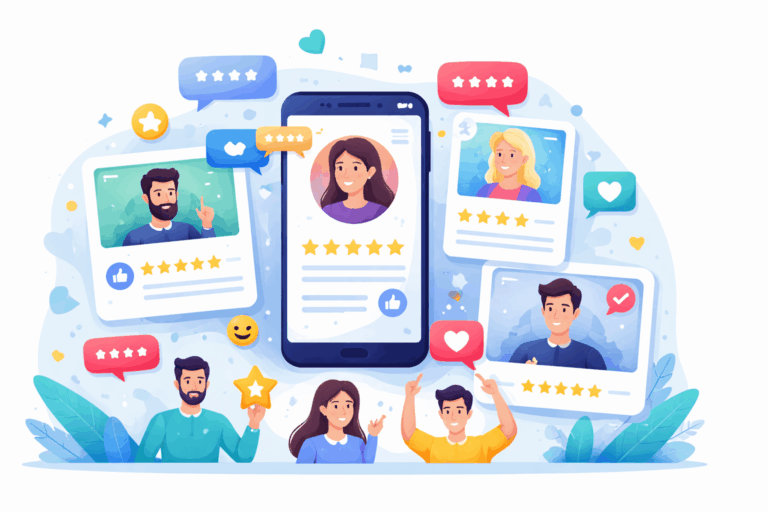
SOCIAL PROOF (REALISTIC TESTIMONIALS)
“We were spending on reels and influencers. Tables were still empty. Once we fixed Google and reviews, footfall changed within weeks.”
— Café Owner, Ahmedabad
“Zomato orders were high but profits were low. Building direct orders was slow, but now margins are much healthier.”
— Cloud Kitchen Operator
“Our agency showed reports every month, but no real growth. Once we started tracking calls and visits, we saw what was actually working.”
— Restaurant Manager
Read More:- Marketing Trends For Business In Ahmedabad

VERIFIED DATA & MARKET CONTEXT
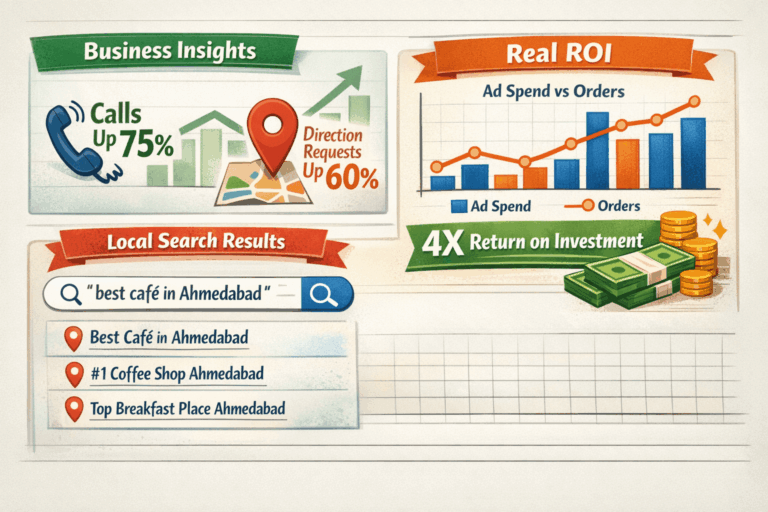
Google Business Insights
Google Business Insights helps you understand how customers are finding and interacting with your business listing. It focuses on key actions like calls, direction requests, and searches, which reflect real user intent. This data shows whether people are just seeing your business or actually considering visiting or contacting you. It’s essential for evaluating local visibility and offline conversion potential.
Ad Data
Ad Data measures how effectively your advertising budget is translating into actual results. Metrics like cost per conversion and location targeting performance reveal whether your campaigns are profitable or wasting money. It helps you identify which audiences and areas are generating real business. This ensures you optimize spend based on performance, not assumptions.
Platform Data
Platform Data provides insights into where your orders are coming from and how customers behave after discovering you. It tracks sources like search, ads, or third-party platforms, along with repeat customer trends. Repeat orders are a strong signal of customer satisfaction and retention. This data helps you build a more predictable and sustainable growth strategy.

WHO THIS GUIDE IS NOT FOR
This is NOT for:
- Owners chasing viral reels
- People expecting instant footfall
- Low-budget, no-patience operators
- Restaurants ignoring food/service quality
This will NOT help with:
- Overnight success
- Influencer hacks
- Guaranteed profits
- Platform loopholes
PROOFS & SCREENSHOT
Conclusion
Most restaurants don’t fail because of lack of marketing.
They fail because:
- They follow trends instead of strategy
- They chase visibility instead of revenue
- They measure noise instead of outcomes
Digital Marketing For Restaurants In Ahmedabad: FAQs
Your reach is likely non-local or low intent. Visibility without buying intent doesn’t convert into footfall or orders.
Use platforms like Zomato for reach, not as your only channel. Build your own demand to stay profitable.
Expect 2–4 months for visible traction. Consistency in listings, reviews, and content is what drives results.
In most cases, no. They generate views, not consistent revenue—ROI is rarely trackable.
Focus on calls, store visits, and repeat customers. Likes and reach don’t reflect actual business growth.


